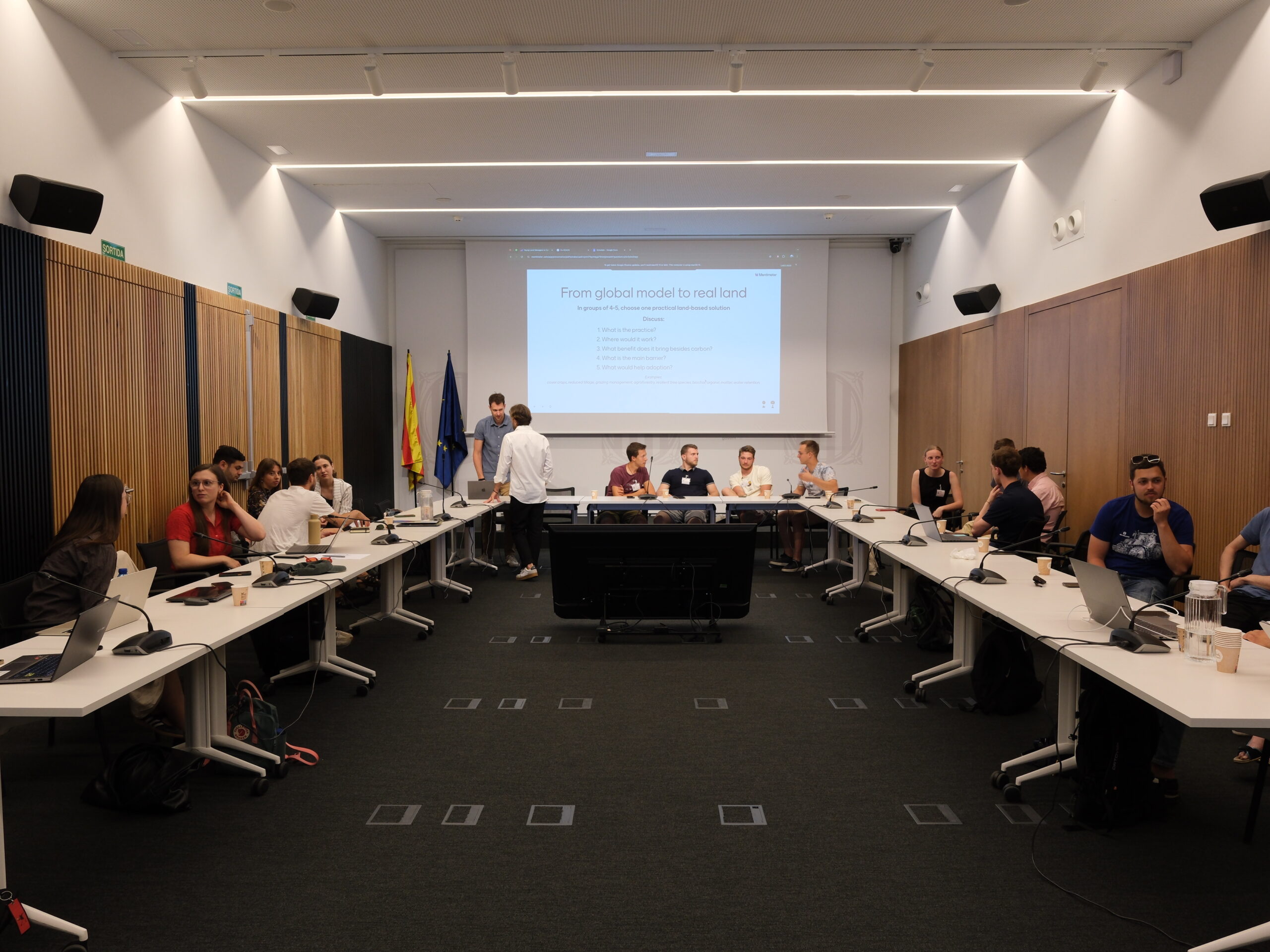

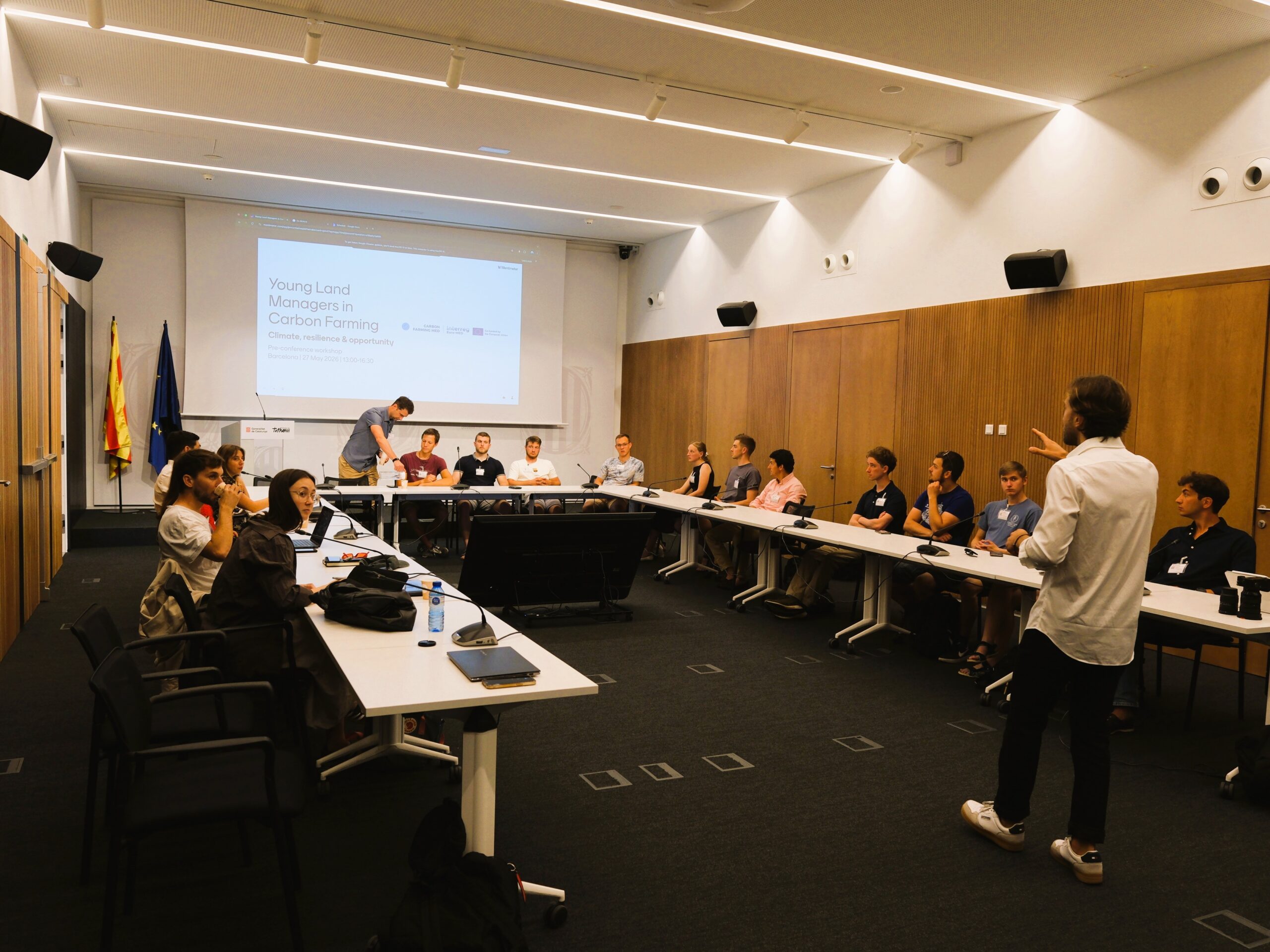
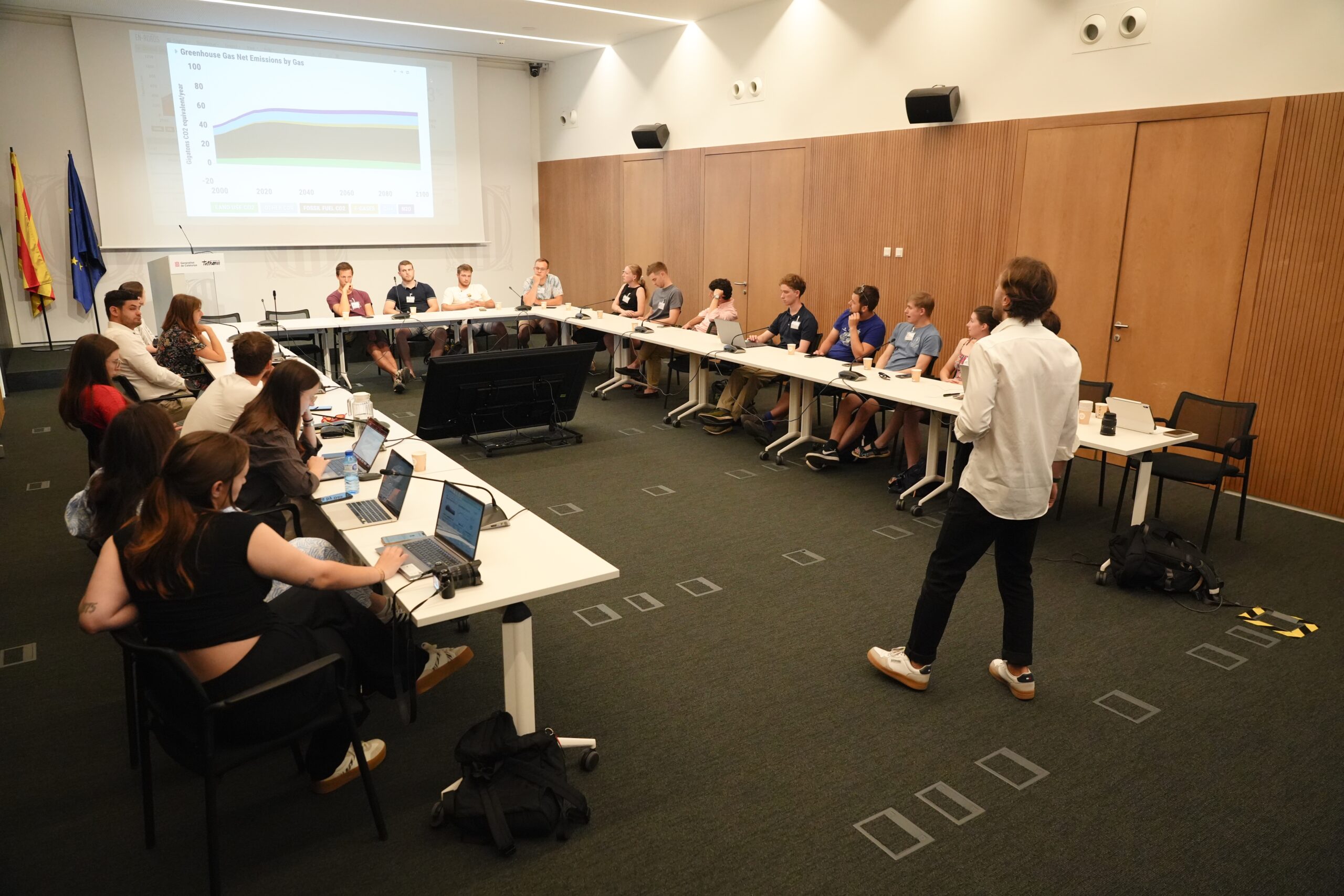
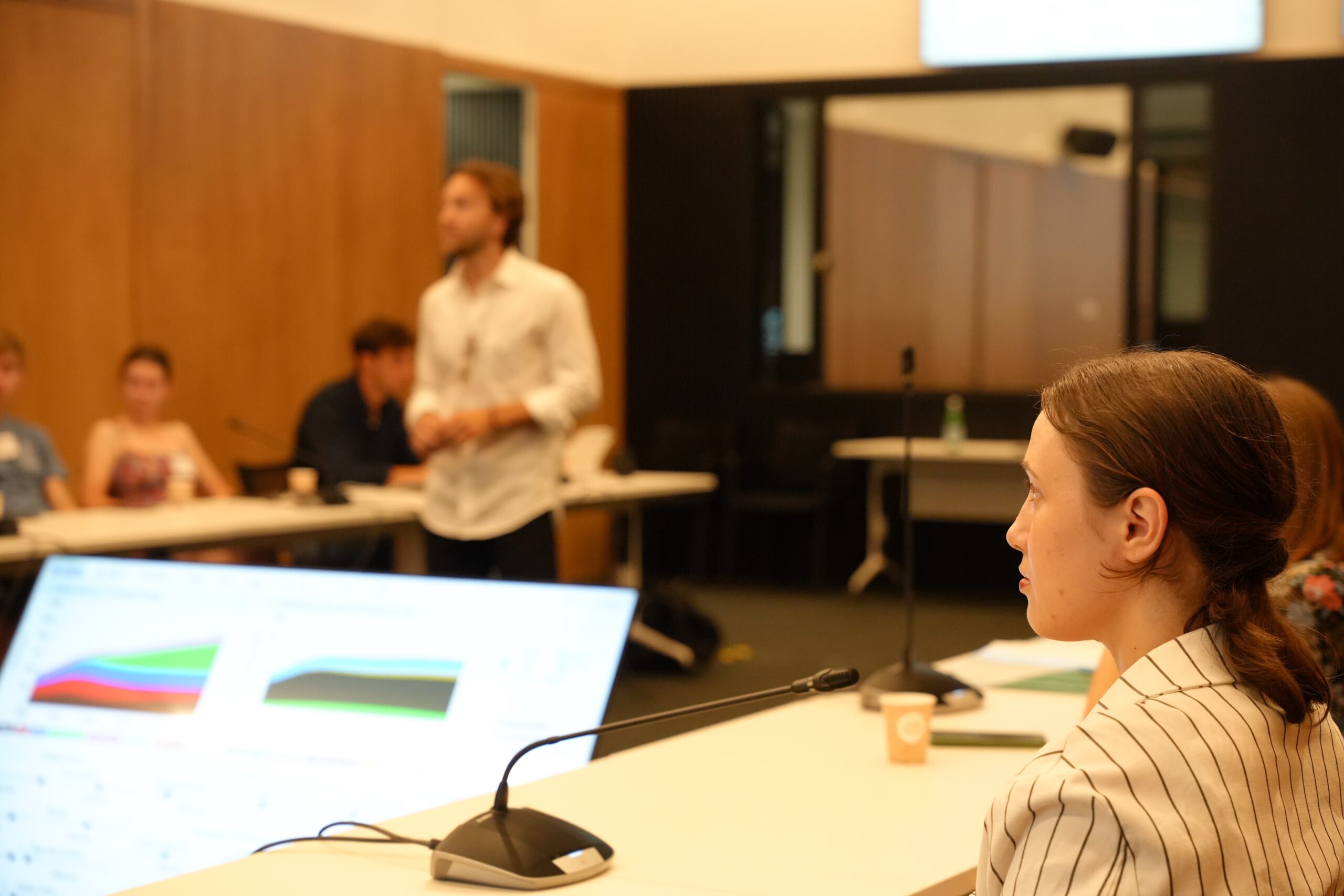
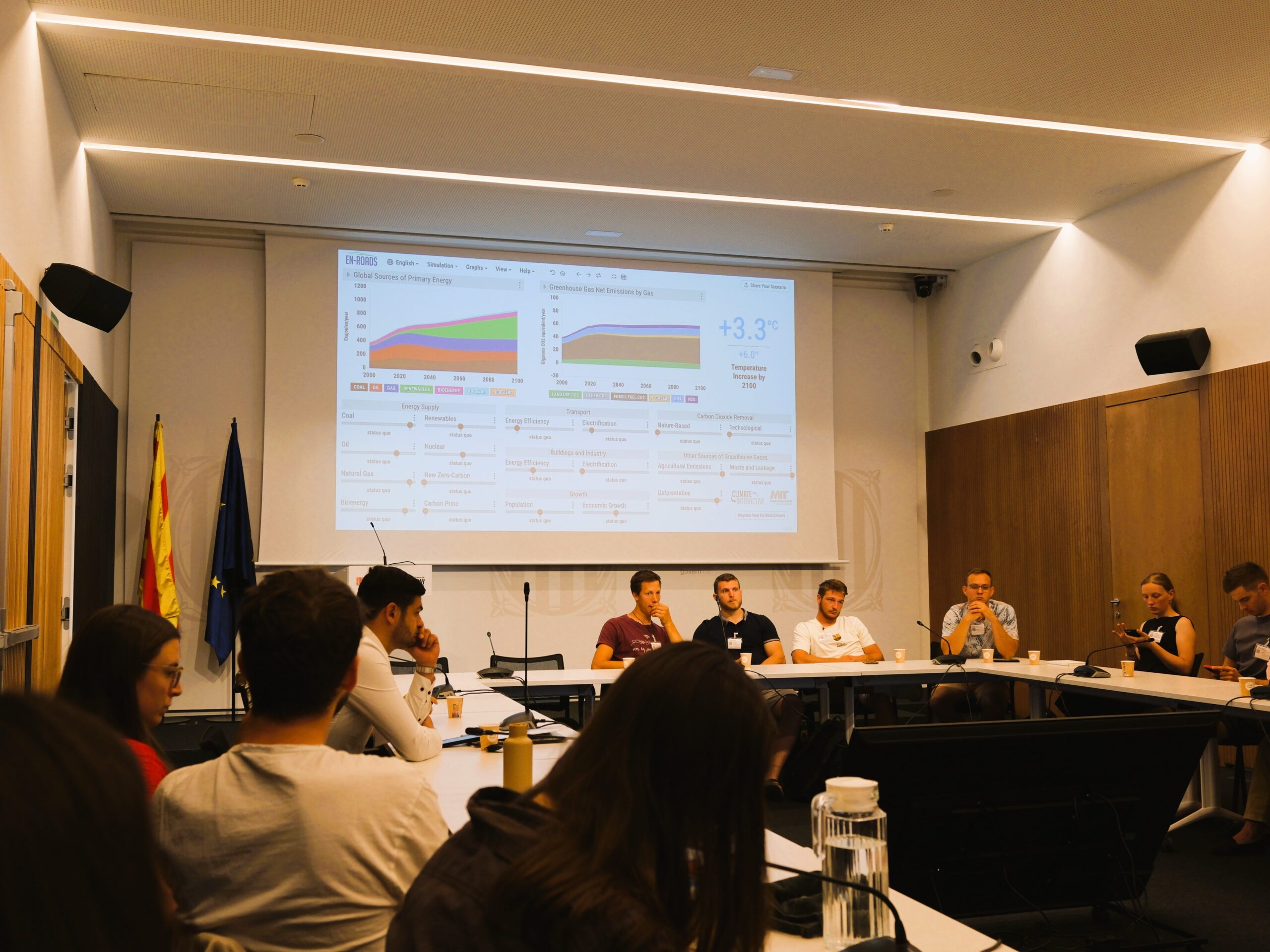
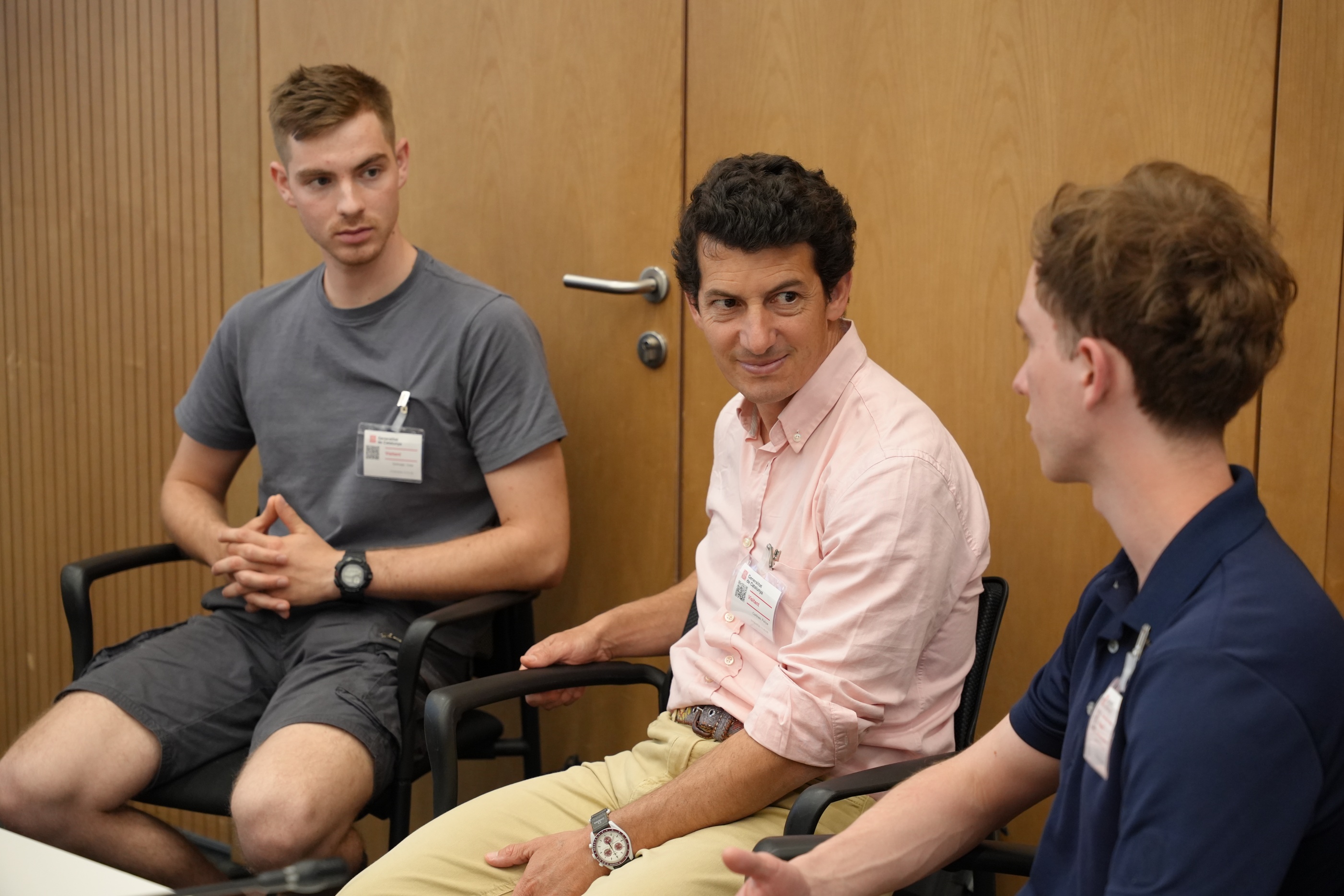
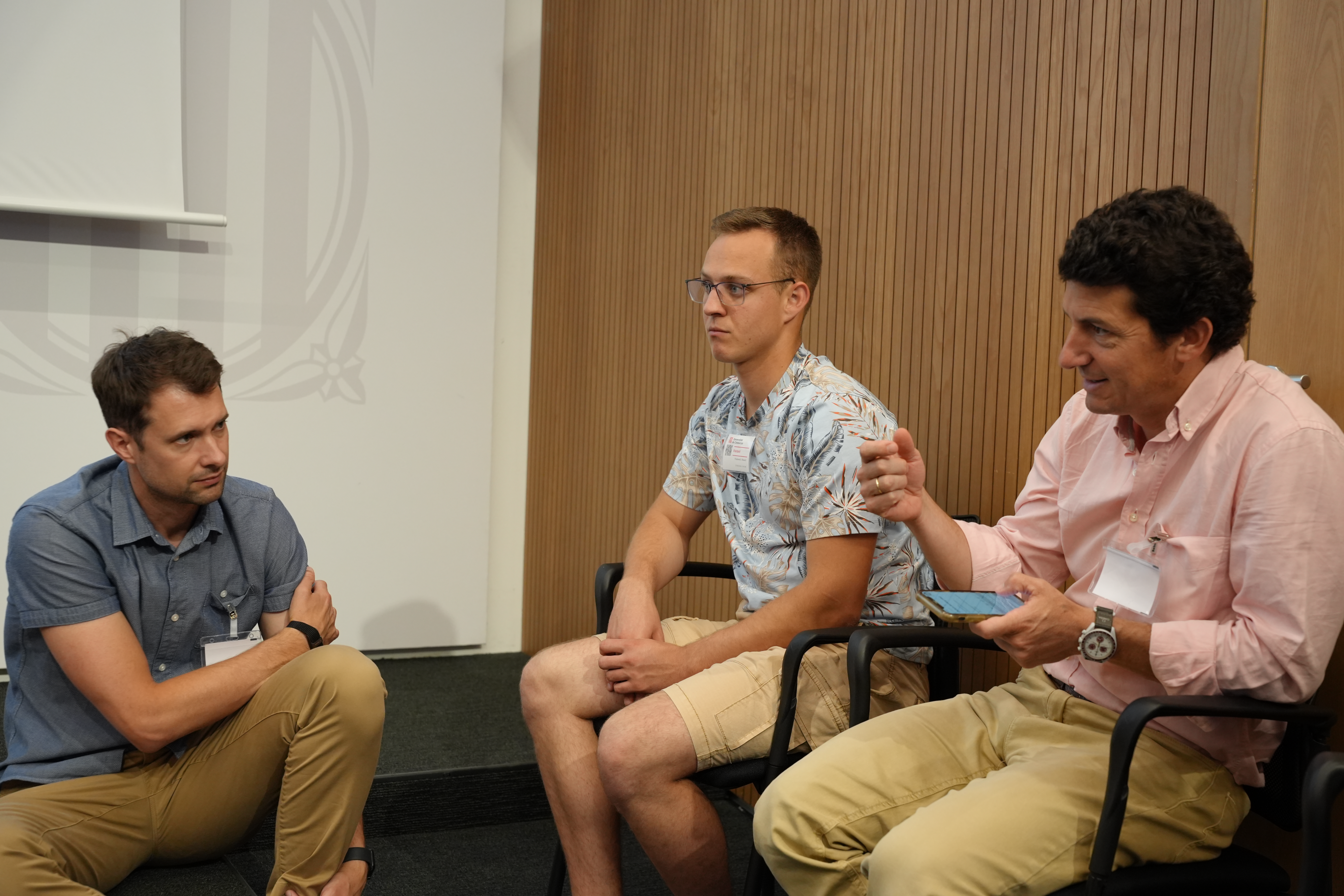
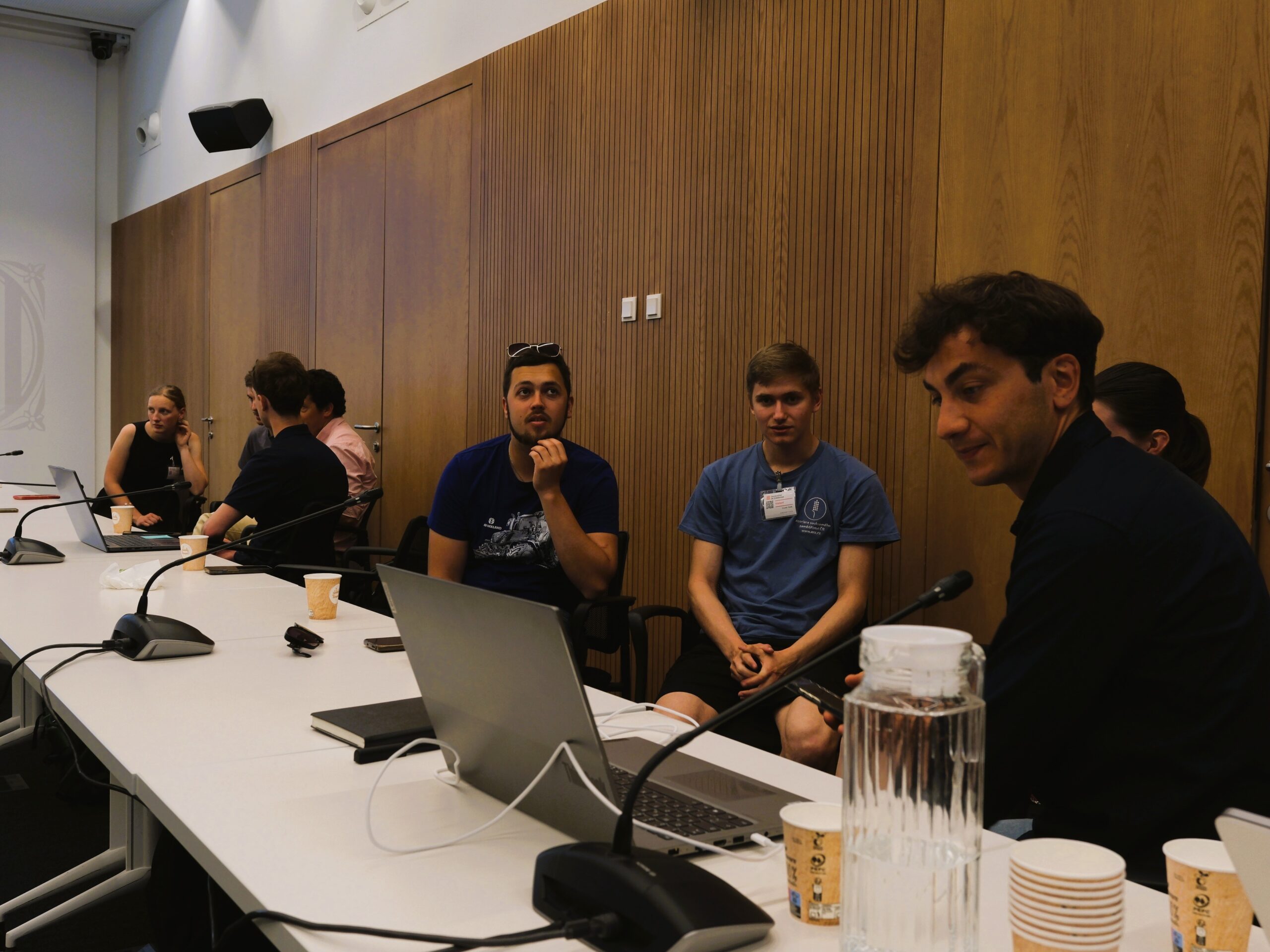
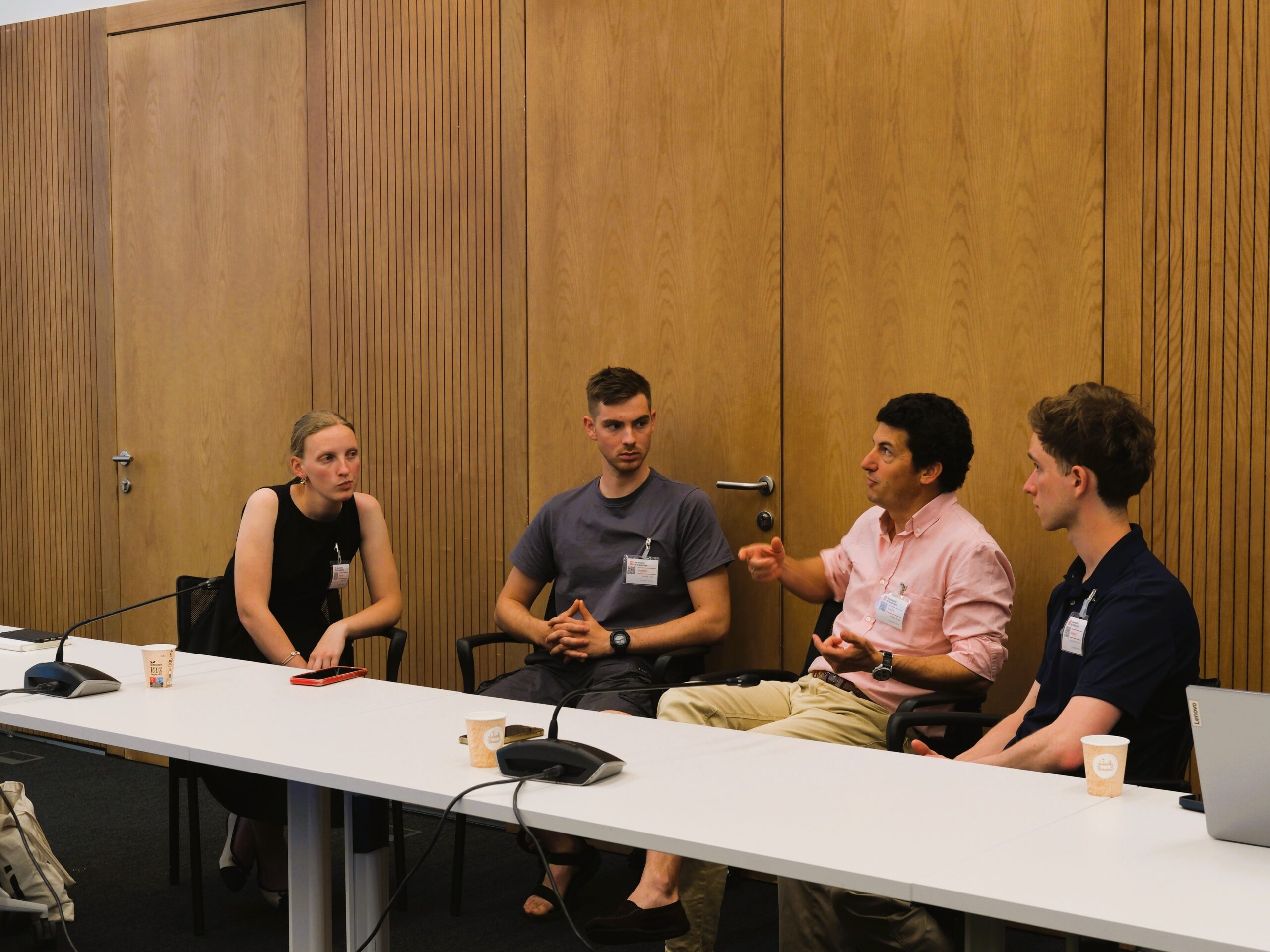
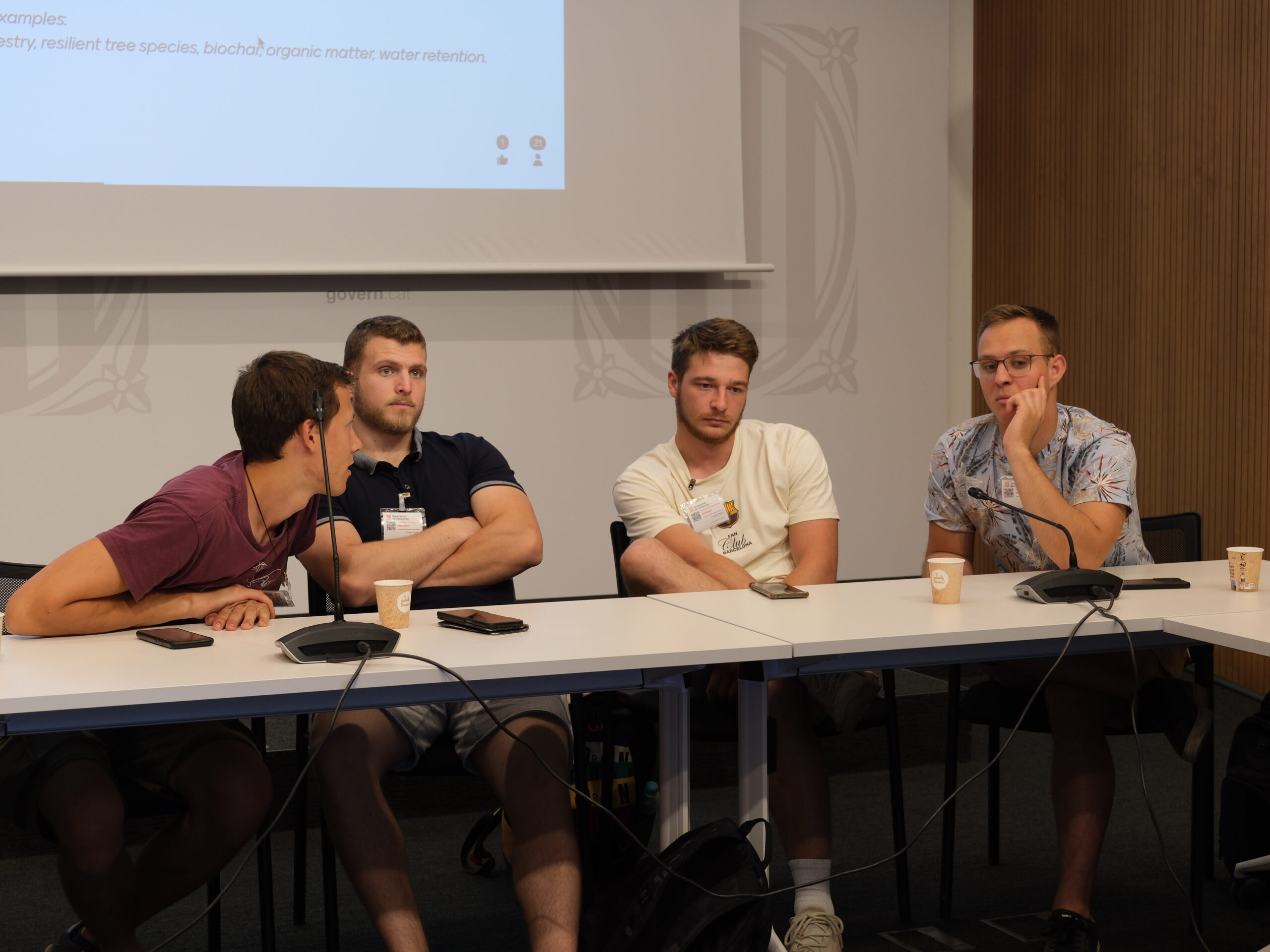
On 27 May 2026 a dedicated pre-conference youth workshop brought together young land managers, students, practitioners and project stakeholders in Barcelona. The session placed the next generation of actors at the centre of discussions, focusing on how carbon farming can be translated from concept into practice across Mediterranean agriculture.
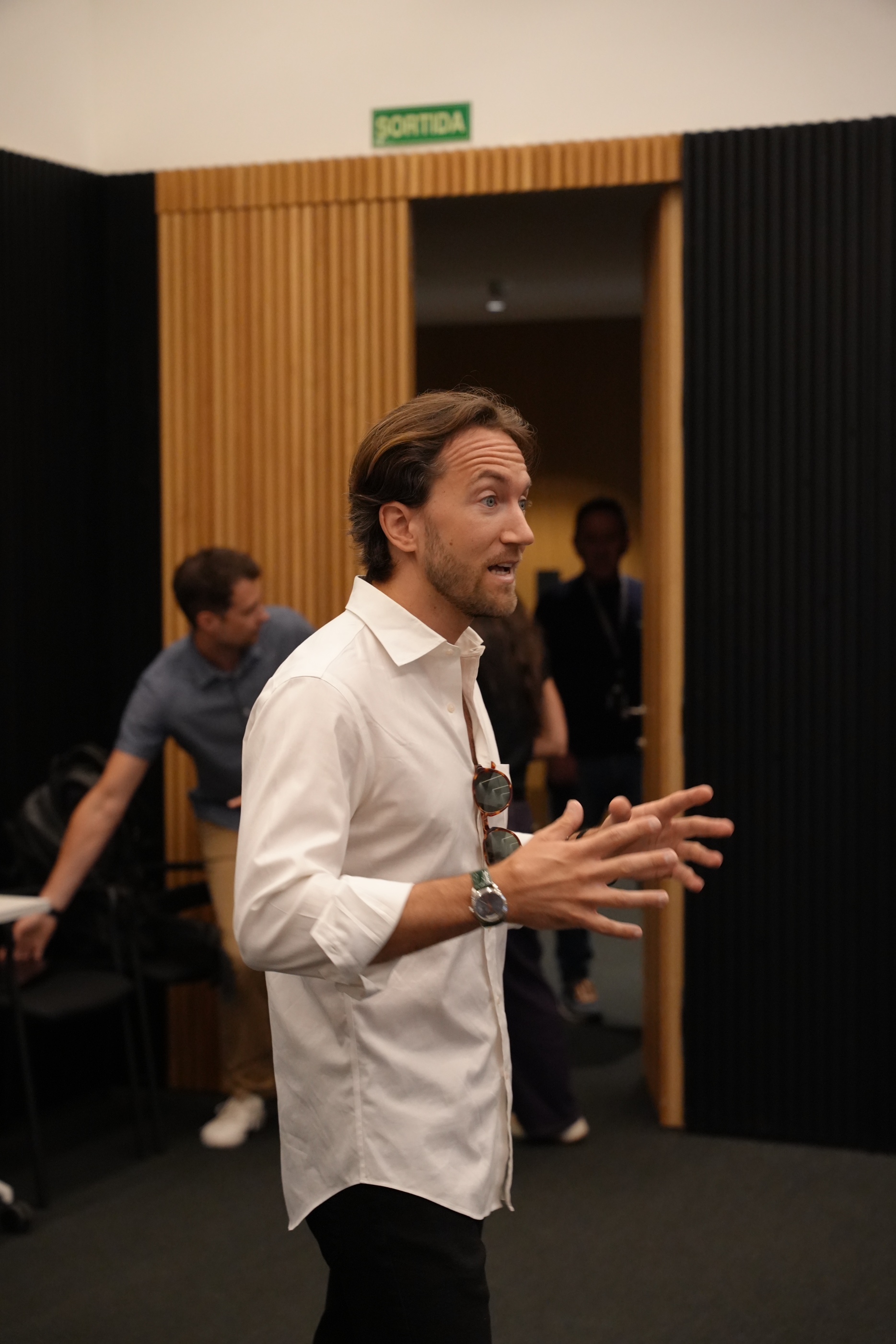
The workshop was facilitated by Viktor Jósa, carbon advisor and workshop facilitator with expertise in climate strategy and land-based carbon solutions, who guided participants through an interactive and practice-oriented programme designed to connect climate ambitions with on-the-ground realities.
Carbon farming as a system, not a single solution
A central takeaway from the workshop was that carbon farming should not be understood as a single practice, but rather as a system design challenge requiring locally adapted solutions.
Participants discussed a range of regenerative practices, including cover crops, reduced tillage, crop rotation and organic matter management. These approaches were valued not only for their carbon potential, but for their ability to improve soil health, water retention and resilience, key factors in Mediterranean agricultural systems.
Agroforestry and biochar were also explored, with a strong emphasis on the need to align such solutions with local conditions, available resources and long-term economic viability.
Barriers to adoption: from cost to trust
Despite the growing interest in carbon farming, participants clearly identified persistent barriers to its uptake. These include high transition costs, regulatory uncertainty, limited financial incentives and the complexity of carbon market mechanisms.
Particular concerns were raised regarding the accessibility of these opportunities for small and fragmented farms, which dominate many Mediterranean regions. Limited access to finance, technical support and economies of scale continues to challenge their participation.
At the same time, a degree of scepticism remains around carbon markets, especially in relation to transparency, credibility and long-term economic returns. Participants stressed the importance of building trustworthy systems that are understandable, practical and relevant to farmers’ needs.
Opportunities beyond carbon and Mediterranean context
Alongside these challenges, the workshop highlighted several important opportunities. Carbon farming was increasingly seen as part of a broader system that can deliver multiple benefits, including improved productivity, risk reduction and enhanced land value.
Participants also pointed to emerging roles beyond agriculture itself, such as advisory services, monitoring and verification providers, and cooperative models that can help smaller farms participate more effectively.
The discussions underscored the particular importance of carbon farming in the Mediterranean context, where agriculture faces increasing pressure from climate change, water scarcity and soil degradation. In this setting, the value of carbon farming lies not only in its contribution to climate mitigation, but in its ability to support resilient, productive and economically viable farming systems. This makes it highly relevant for both policy development and practical implementation across the region.
Setting the agenda for the conference
The workshop concluded with participants formulating key questions to carry into the main conference, focusing on economic feasibility, farmer adoption and the future of carbon markets. These reflections helped ensure that high-level discussions during the conference remained grounded in real challenges and opportunities.
A7C04777
DSCF8684
A7C04807
A7C04812
DSCF8696

A7C04825
A7C04821
A7C04869
DSCF8713
DSCF8715
DSCF8714

DSCF8700