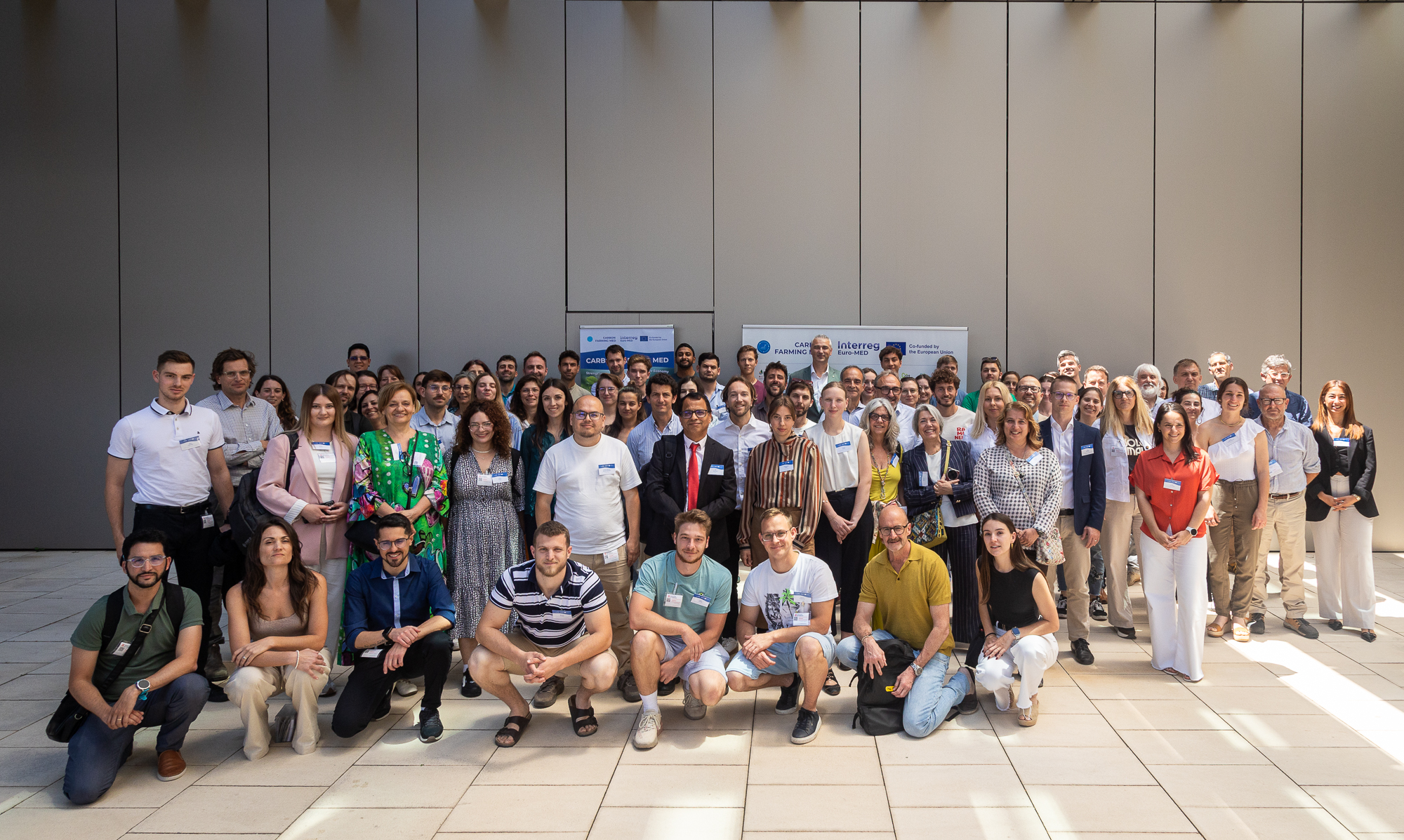

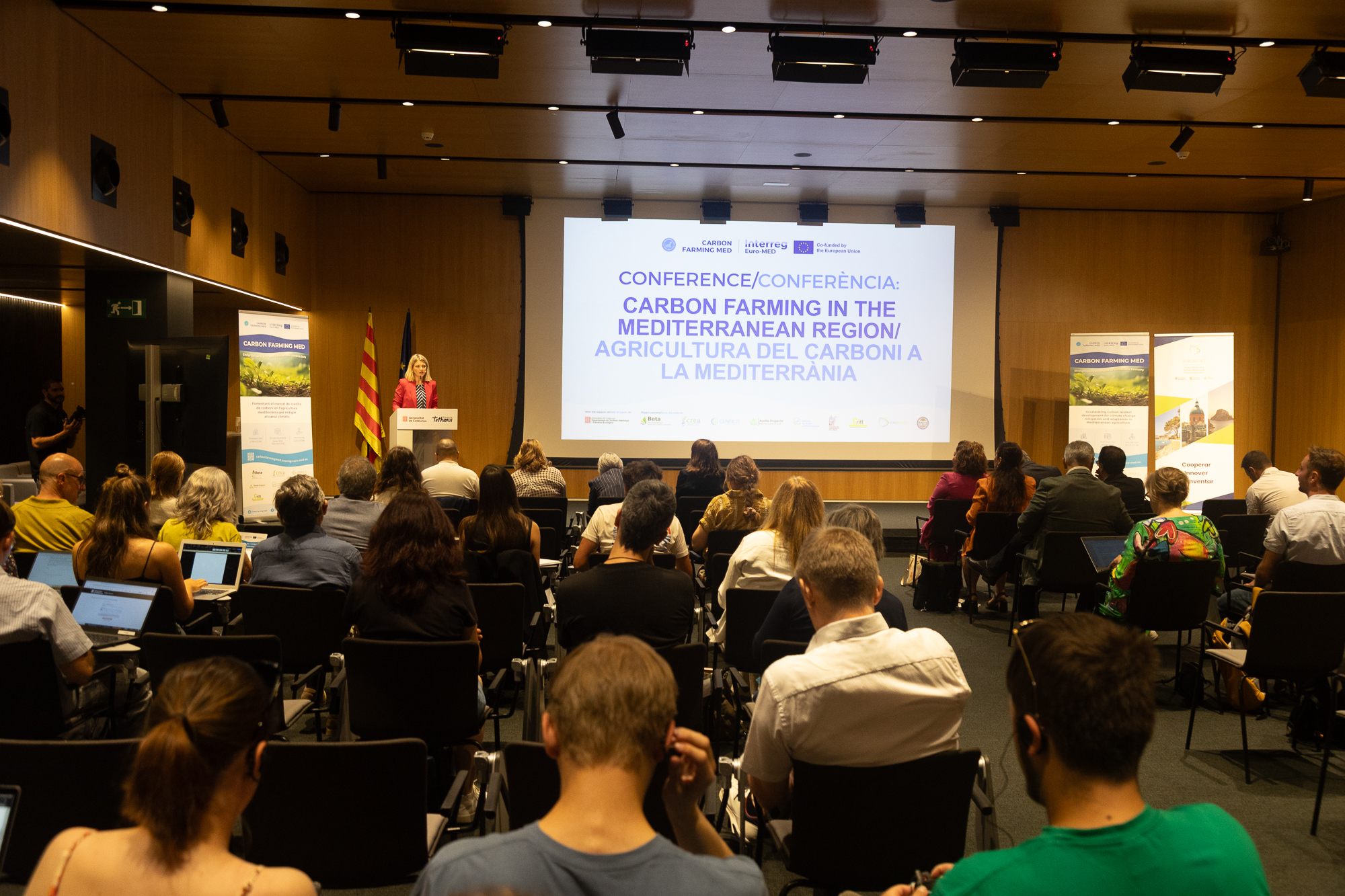
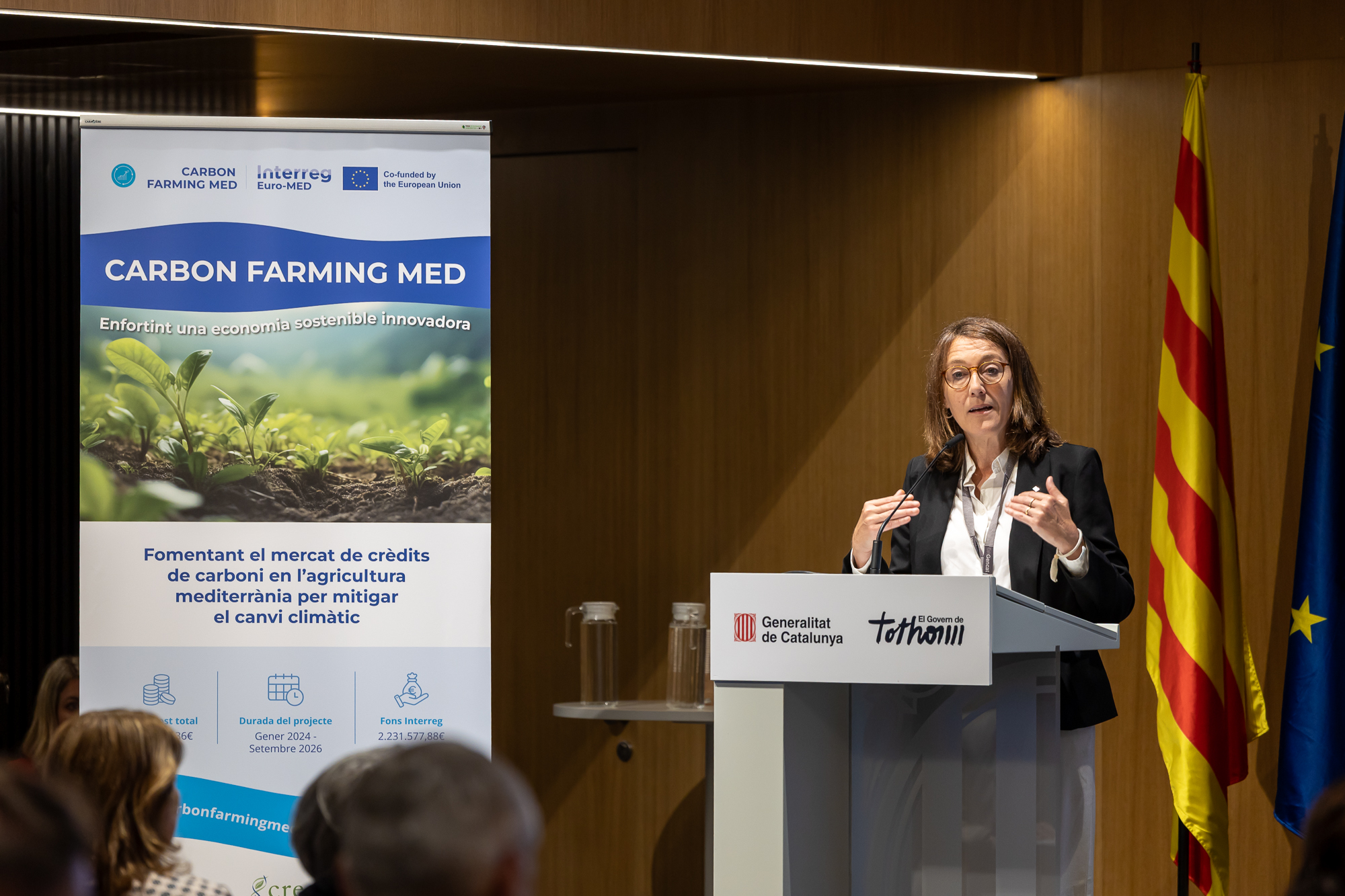
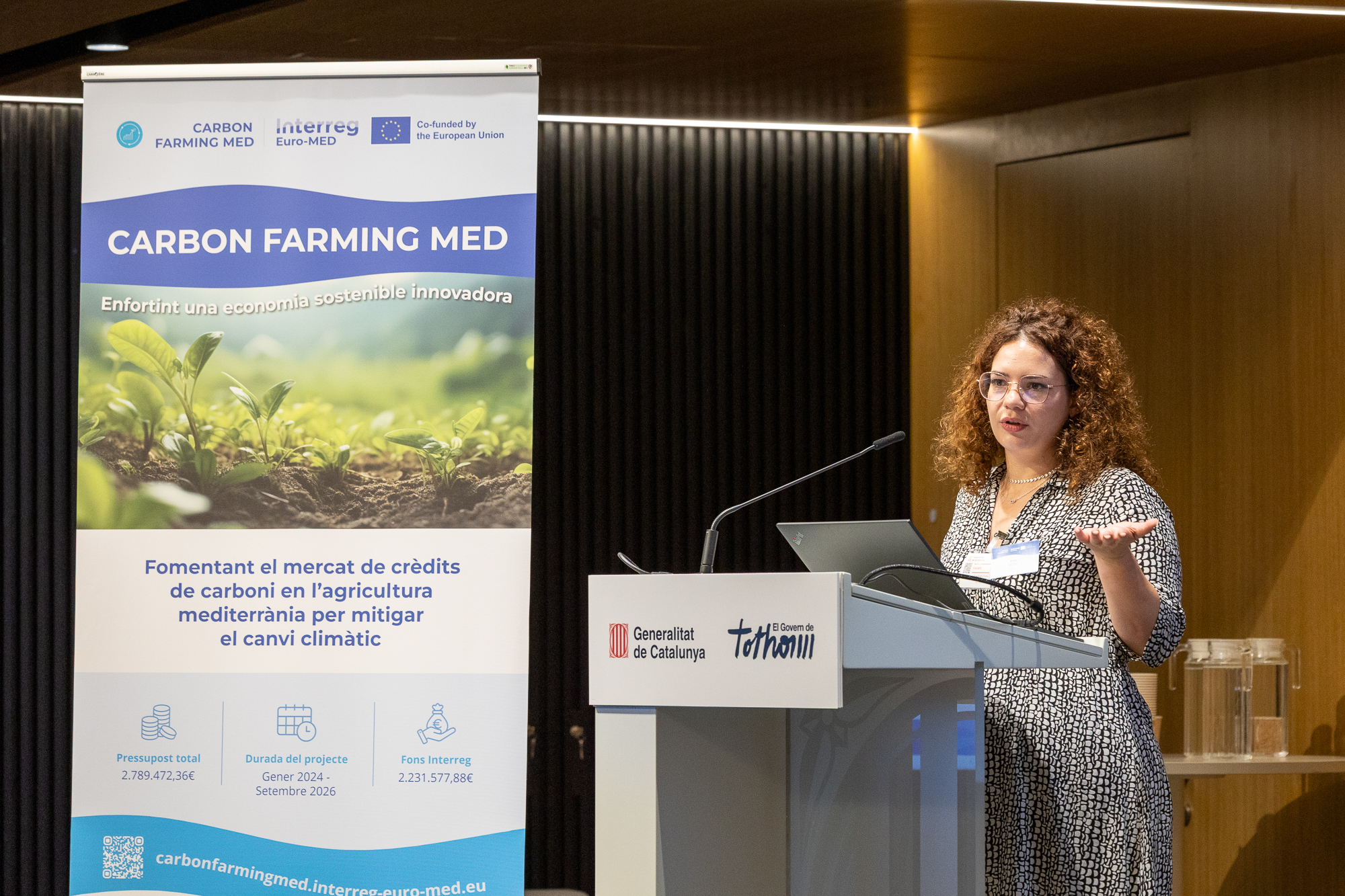
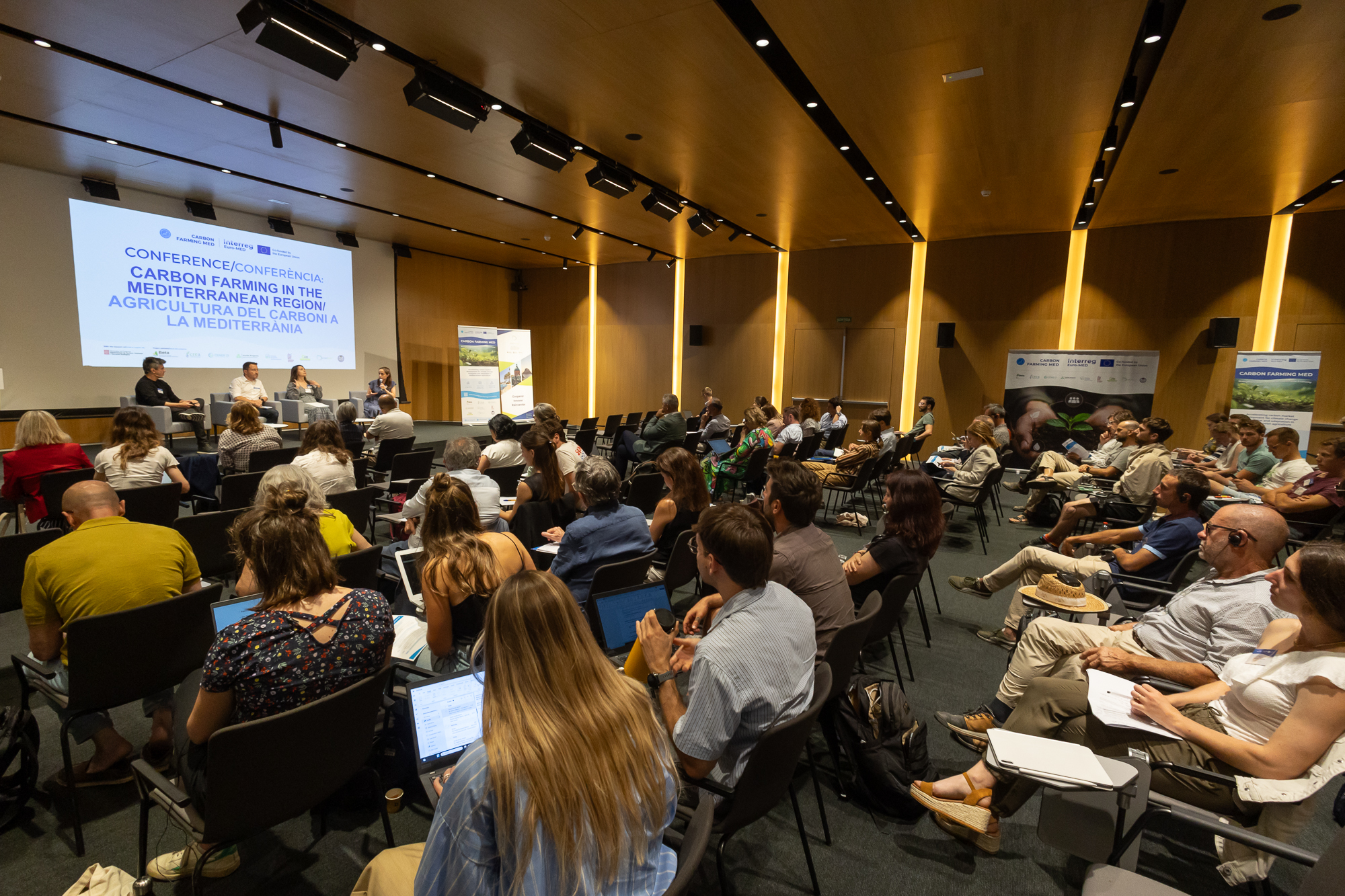
On 28–29 May 2026, the conference Carbon Farming in the Mediterranean Region brought together policymakers, researchers, farmers and financial actors in Barcelona to explore how carbon farming can support the transition towards a more sustainable and resilient Mediterranean agricultural system.
Organised within the framework of the Carbon Farming MED project and the Interreg Euro-MED Programme, the event created a space for dialogue and collaboration across sectors. Representatives from European institutions, including the European Commission and the Union for the Mediterranean, joined scientific experts and agricultural stakeholders from across the region to exchange knowledge and identify practical solutions for advancing carbon farming.
Addressing Mediterranean challenges through carbon farming
The conference opened with a focus on the European regulatory context and the specific challenges faced in the Mediterranean basin. Discussions highlighted the role of the emerging EU framework on carbon removals and carbon farming (CRCF) as a key instrument for supporting climate mitigation efforts in agriculture.
Speakers underlined that Mediterranean agricultural systems face unique environmental pressures including water scarcity, soil degradation and climate variability which require tailored approaches. In this context, carbon farming and regenerative agriculture were presented not only as climate solutions, but also as pathways to improve soil health, biodiversity and the long-term resilience of farming systems.
From project results to practical tools
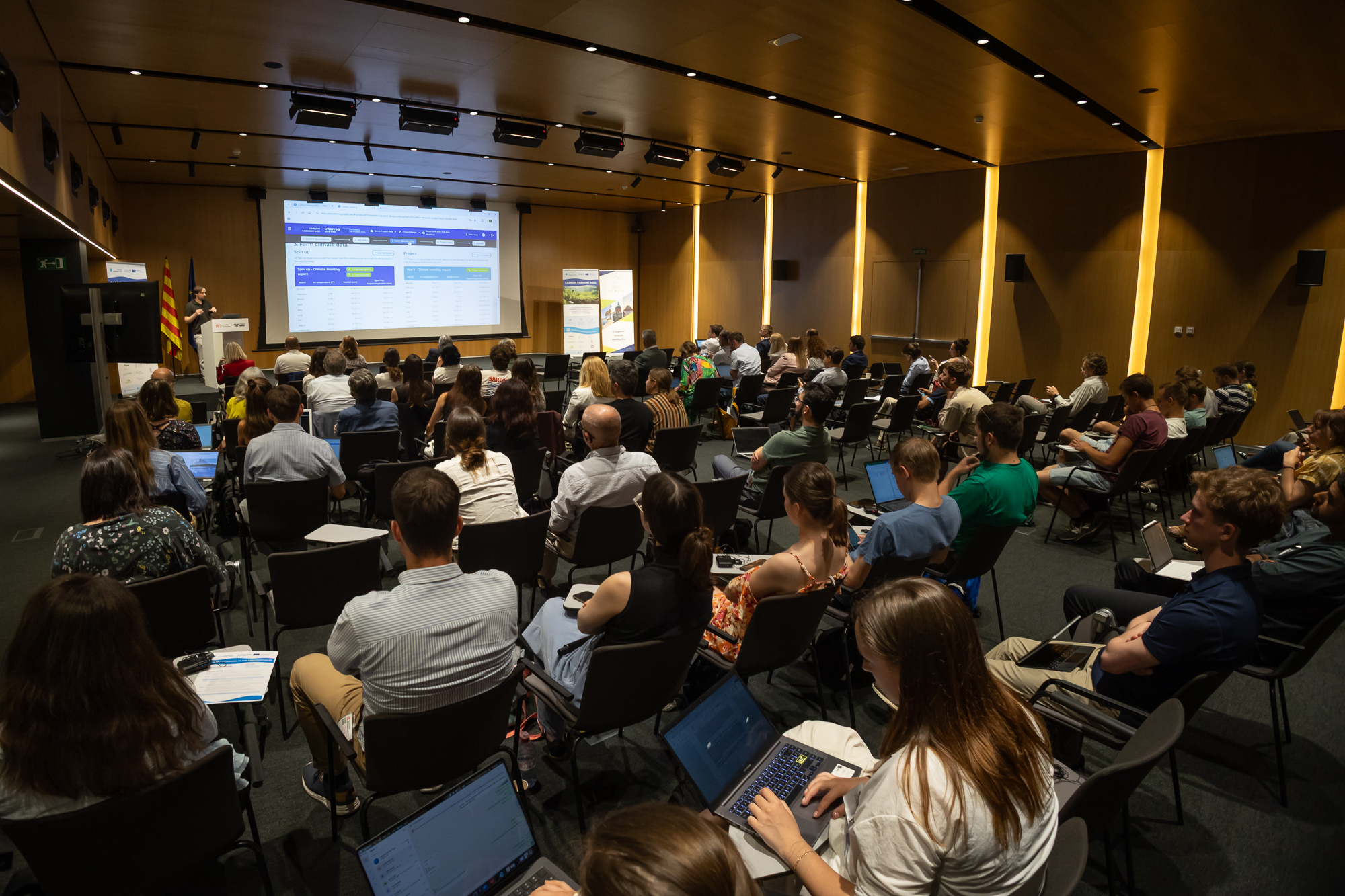
A central moment of the conference was the presentation of results achieved within the Carbon Farming MED project. Partners showcased the development of a dedicated carbon footprint calculation platform, designed to support farmers in measuring carbon sequestration and greenhouse gas emissions at farm level.
This tool is expected to play a key role in enabling access to emerging carbon credit markets, by providing reliable data and supporting Monitoring, Reporting and Verification (MRV) processes. Beyond its technical function, the platform reflects a broader ambition: to position agriculture as both a contributor to climate mitigation and a potential source of additional income for farmers.
At the same time, discussions emphasised that carbon should not be the only metric of value. Participants also highlighted the importance of recognising co-benefits such as improved water management, strengthened biodiversity, and positive social impacts at local level.
Financing the transition: opportunities and open questions
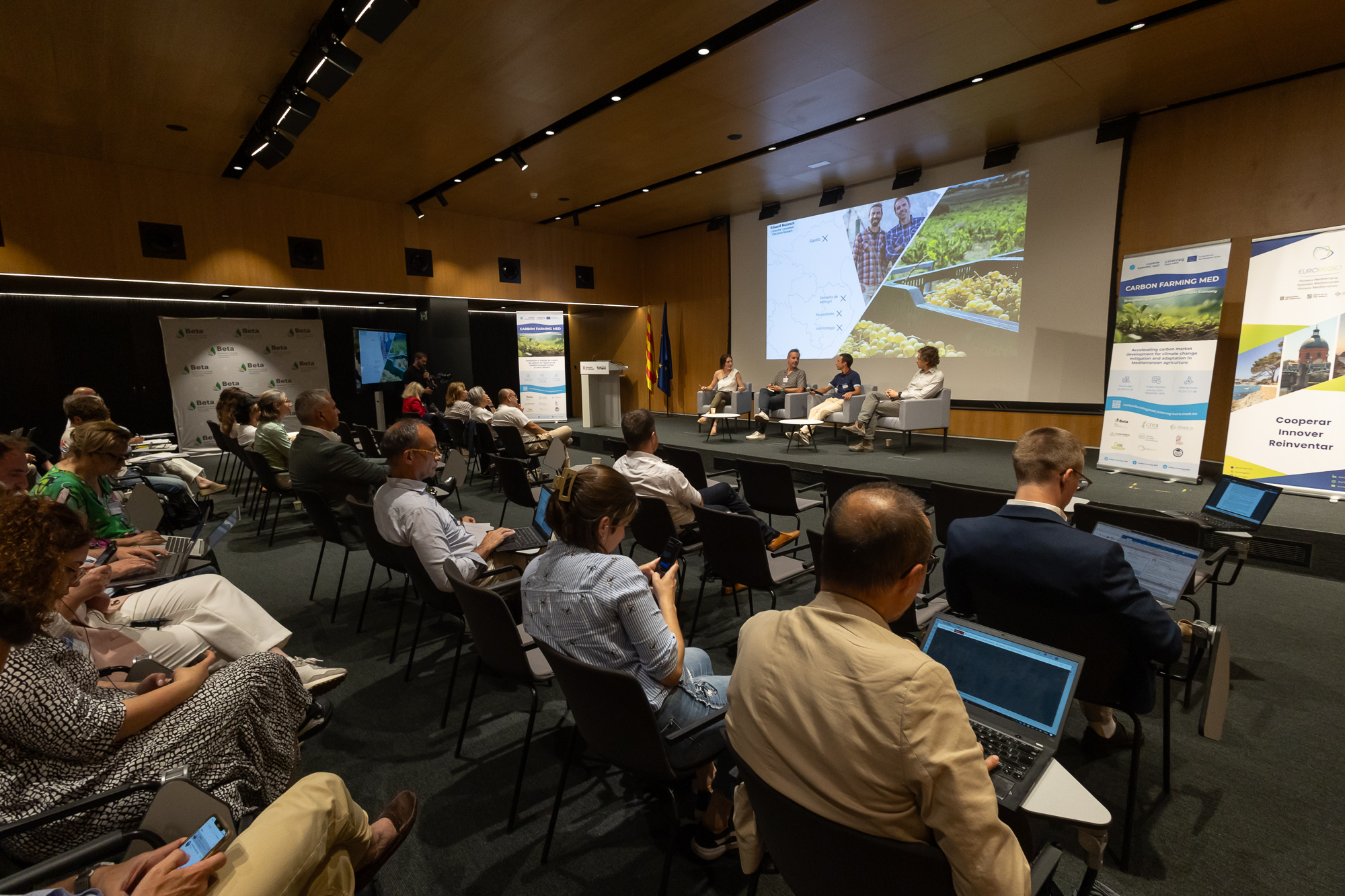
Financing emerged as one of the central topics of the conference, particularly during the dedicated roundtable discussions. Stakeholders explored how public and private funding mechanisms can support the transition to regenerative agriculture, while ensuring fairness and accessibility for farmers.
Key reflections included:
- the need to combine public support with private investment to scale up carbon farming practices;
- the importance of creating credible and transparent certification systems to build trust in carbon markets;
- the challenge of ensuring that small and medium-sized farms can participate, despite administrative and financial barriers.
Participants also underlined that the transition entails initial costs and risks, especially in the early years of adoption. Therefore, financial mechanisms should not only reward carbon sequestration but also help cover transition costs and provide tangible incentives, such as improved access to finance.
More broadly, discussions pointed to the importance of coordination between stakeholders — including policymakers, financial institutions, companies and farmers — to ensure that supply and demand for carbon credits evolve together.
Farmers’ perspectives and real-world implementation
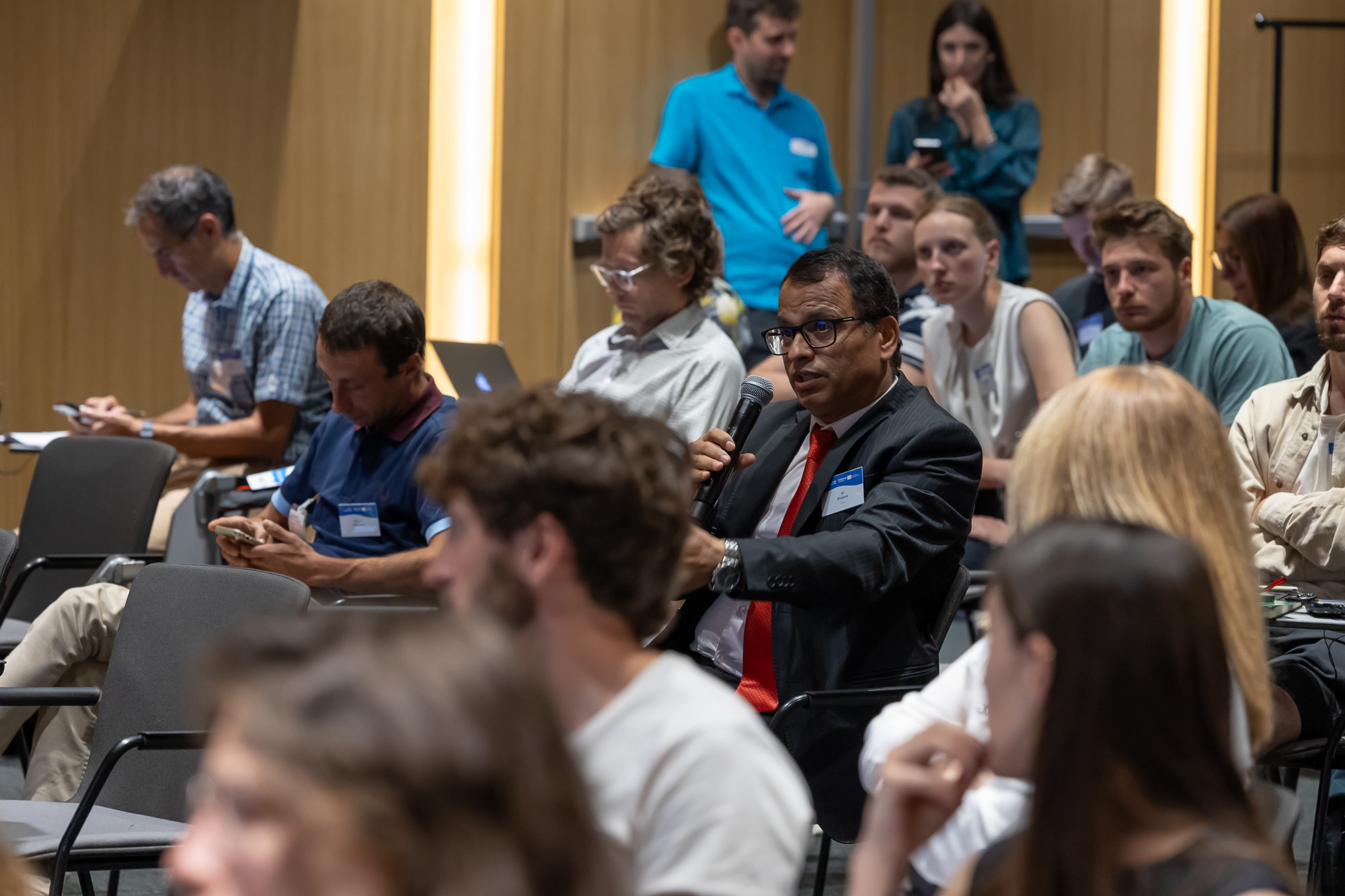
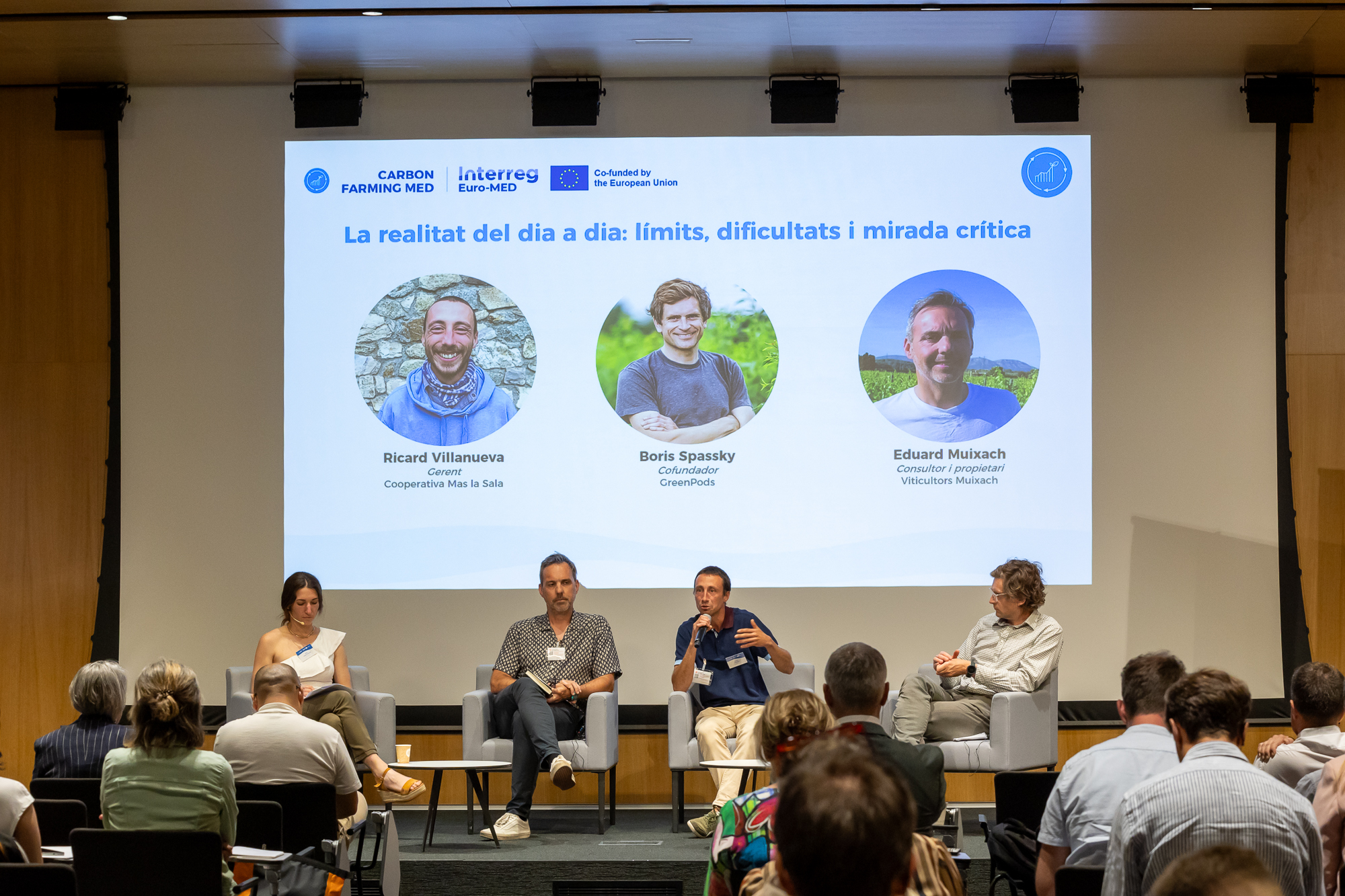
Throughout the conference, farmers’ experiences provided valuable insights into the opportunities and challenges of implementing carbon farming practices on the ground. Contributors highlighted that regenerative agriculture can deliver multiple benefits — economic, environmental and social — but also stressed the need to make solutions more accessible, practical and adapted to local contexts. Technical support, simplified procedures and closer engagement with farmers were identified as key factors for successful uptake.
Participants also pointed out that cooperative approaches may play an important role in Mediterranean regions characterised by smaller and fragmented farms, helping to strengthen farmers’ negotiating position and facilitate participation in new market mechanisms.
Strengthening collaboration across the Mediterranean and policy recommendations
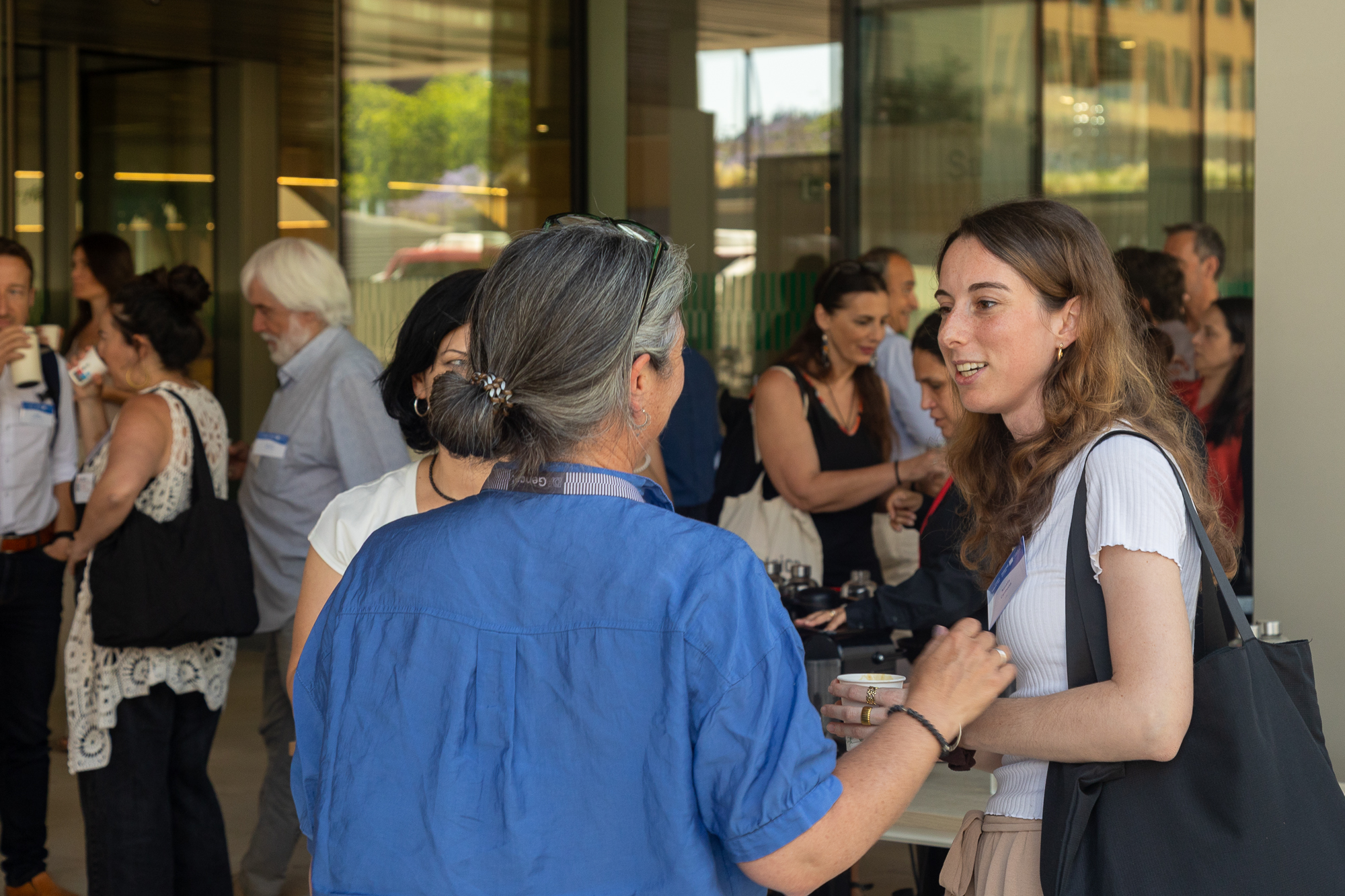
Beyond its technical sessions, the conference served as an important platform for networking and exchange. By bringing together diverse stakeholders from across the Euro-Mediterranean region, the event fostered new connections and reinforced existing partnerships.
The final session presented policy recommendations aimed at facilitating the wider adoption of carbon farming in the Mediterranean, highlighting the need for supportive regulatory frameworks, adequate financing mechanisms and stronger coordination across governance levels.
Showcasing innovation at the Verdcamp Fruits pilot farm
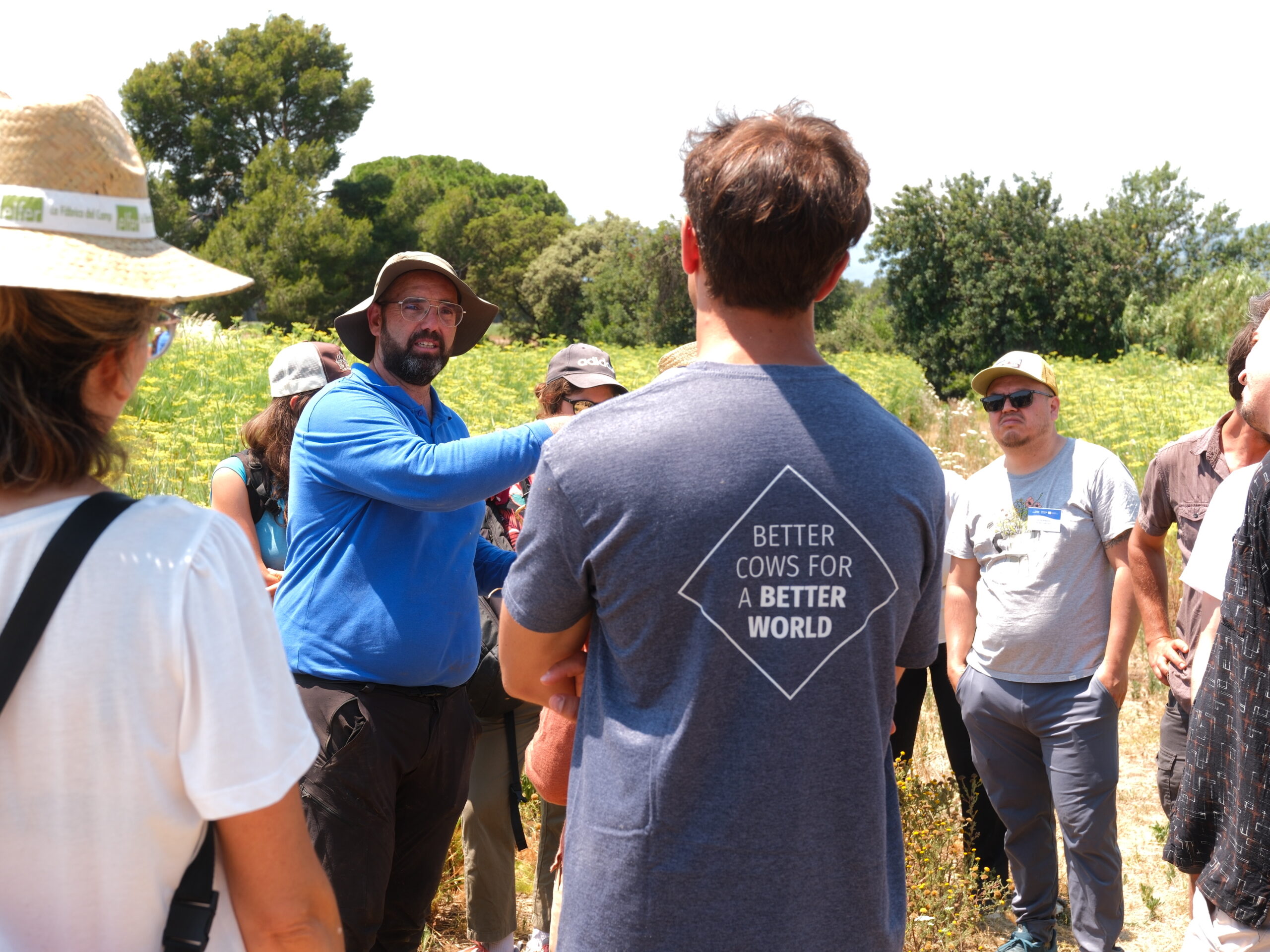
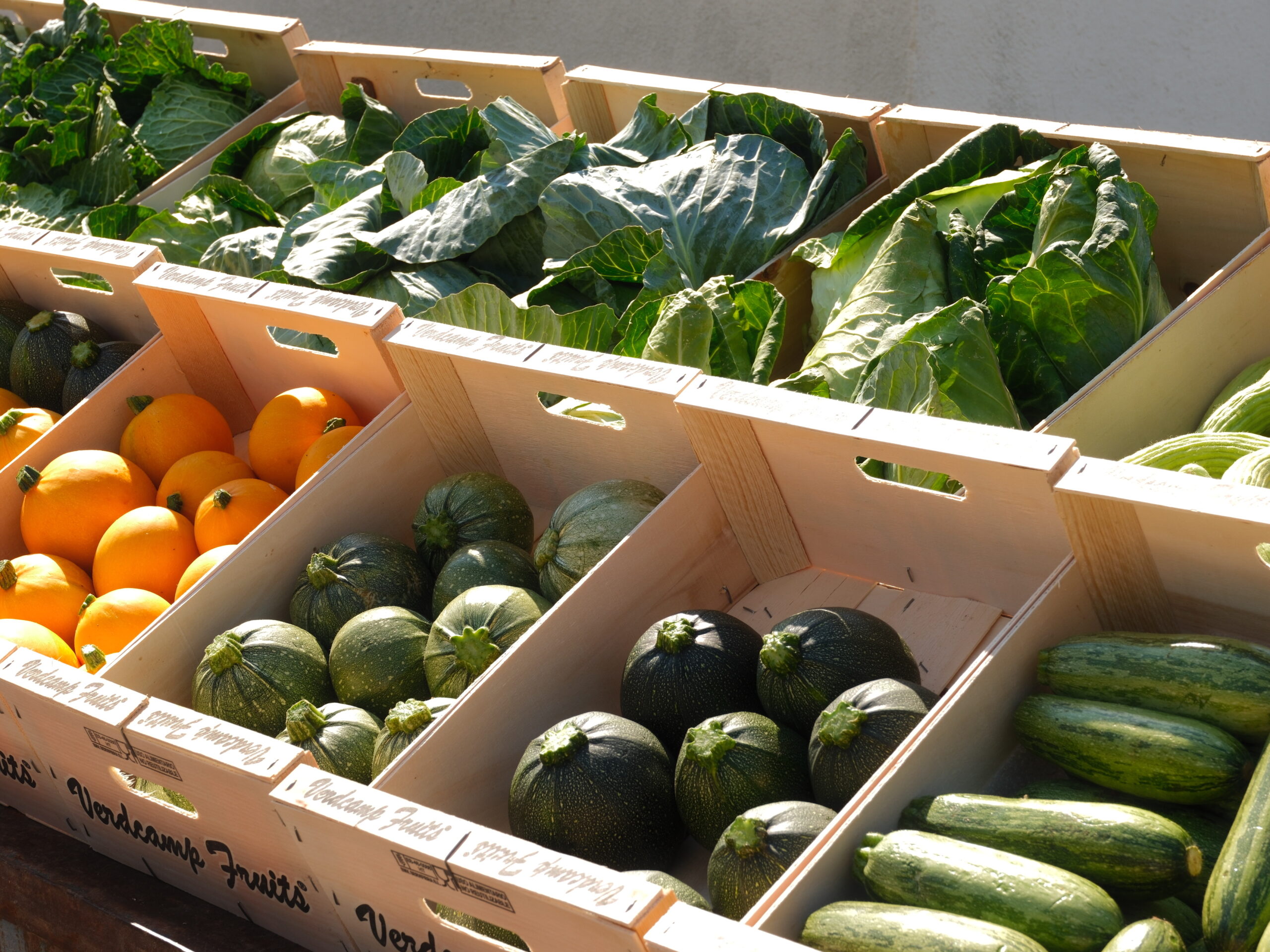
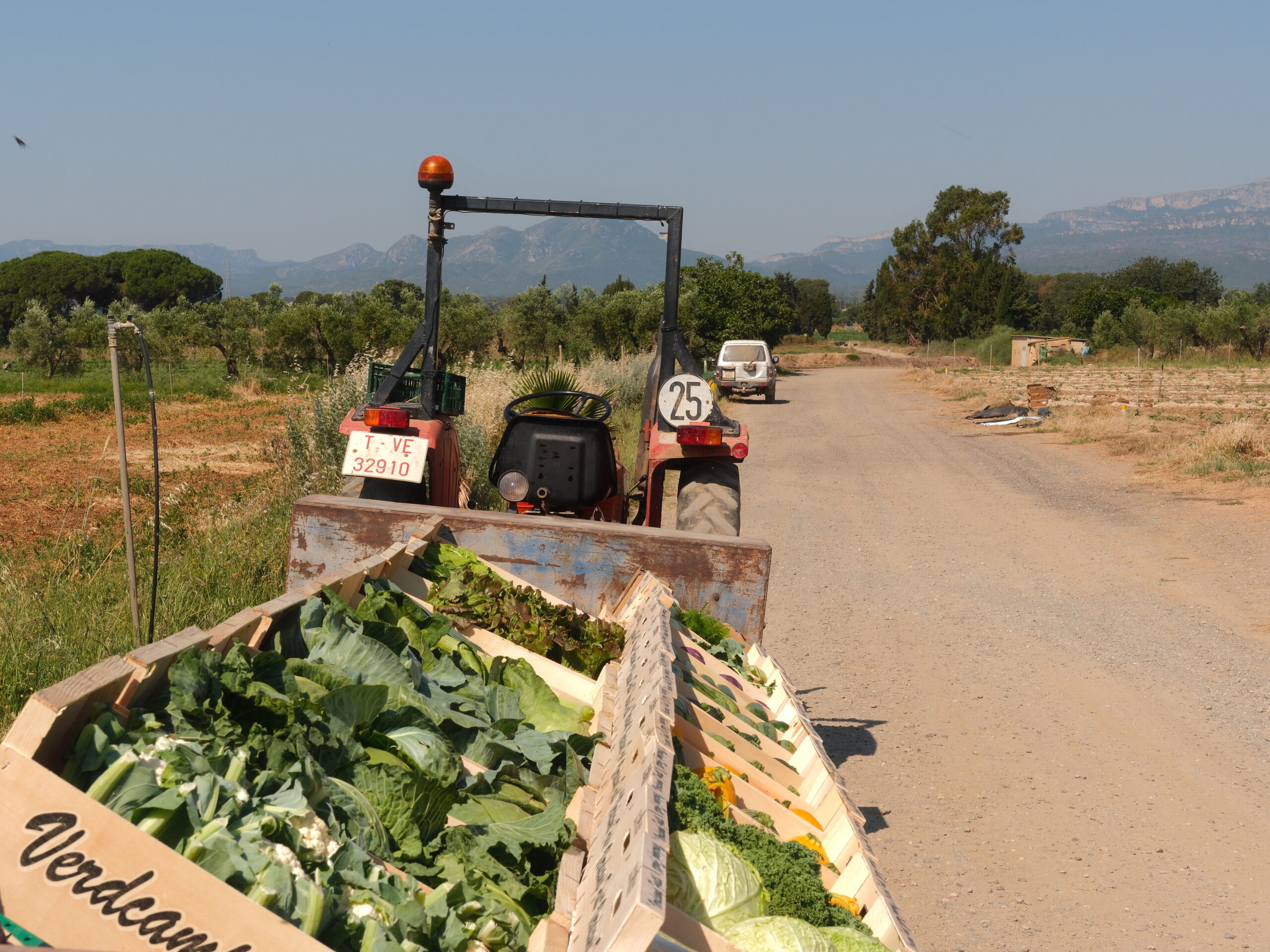
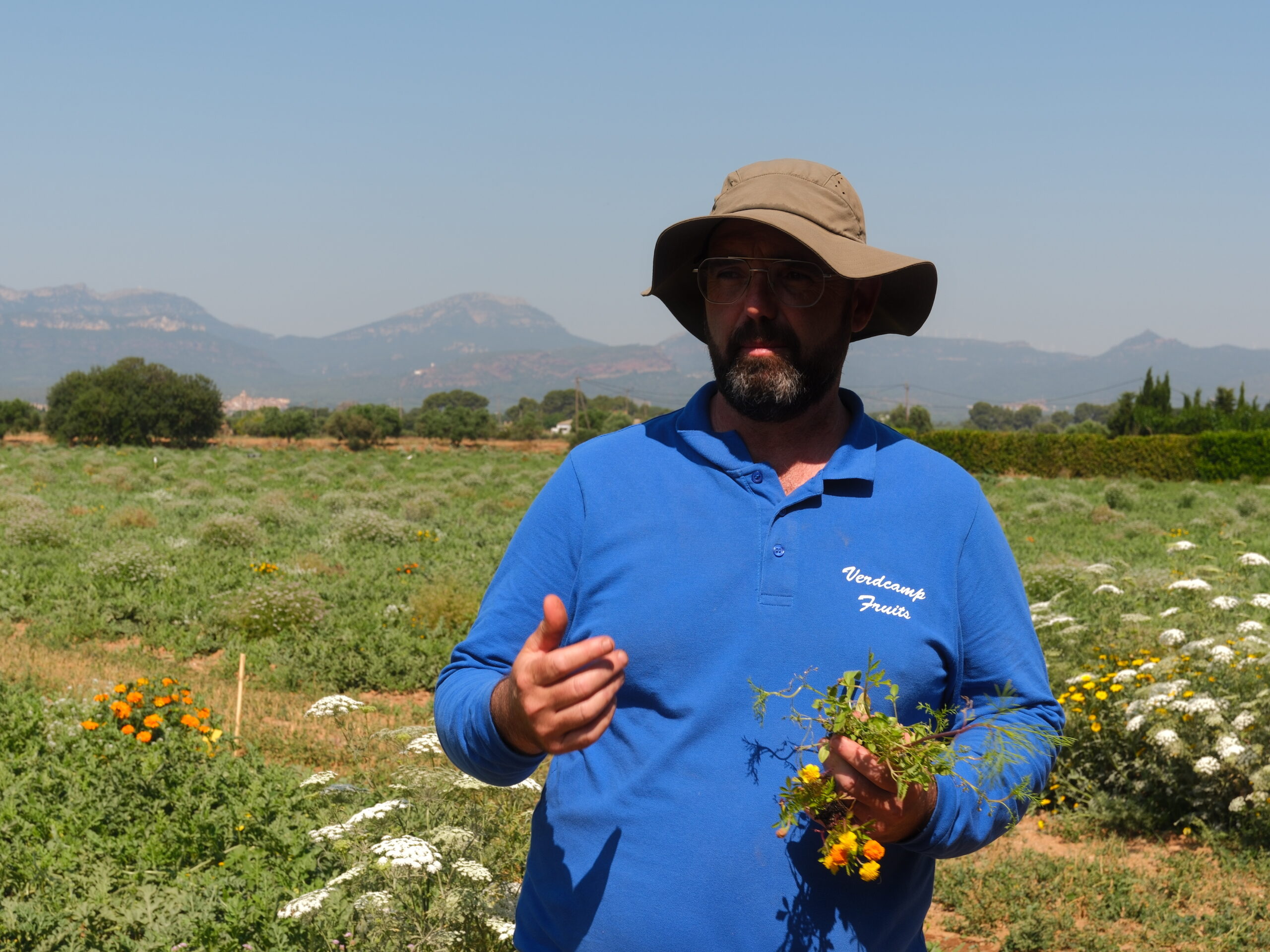
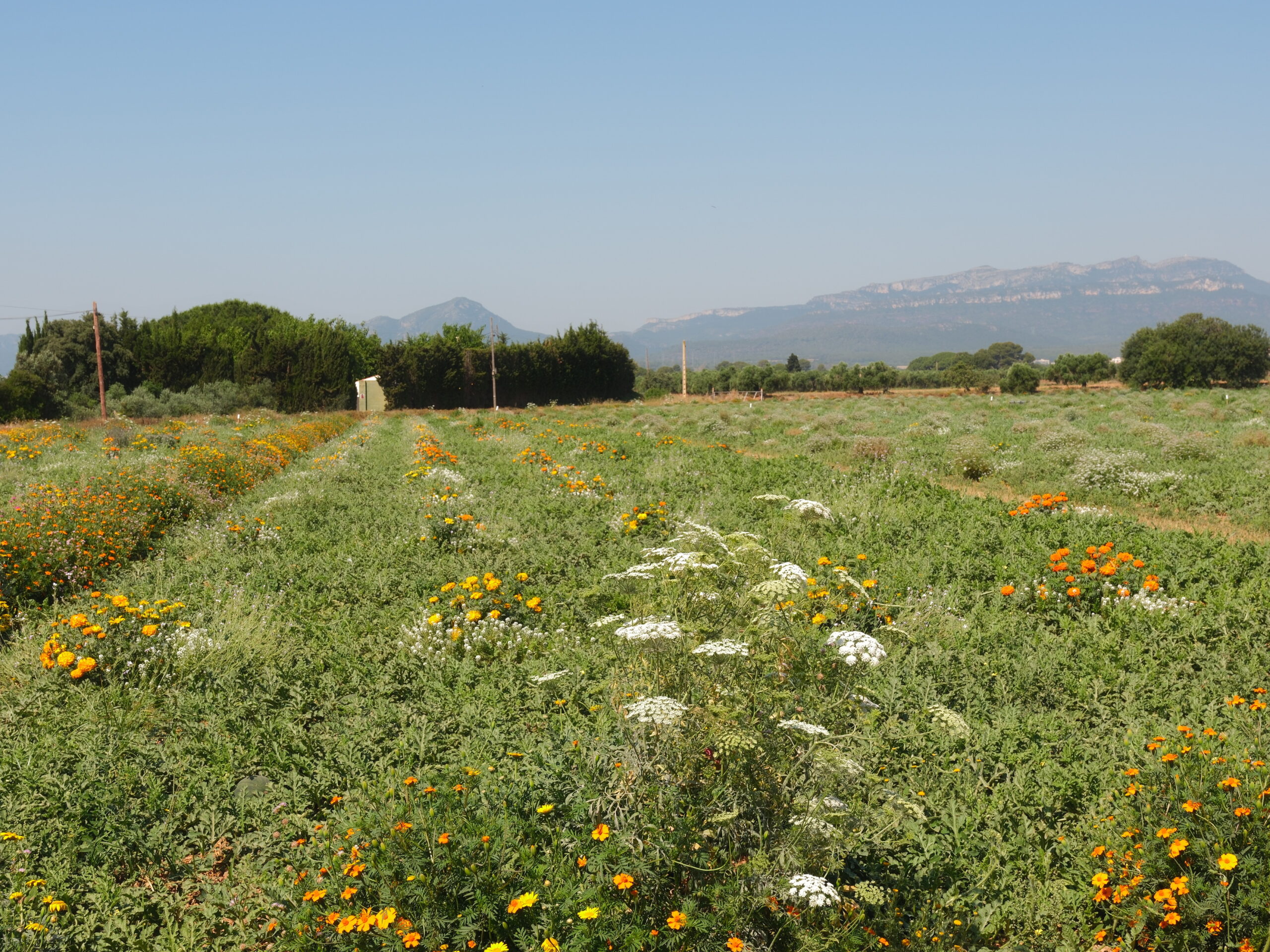
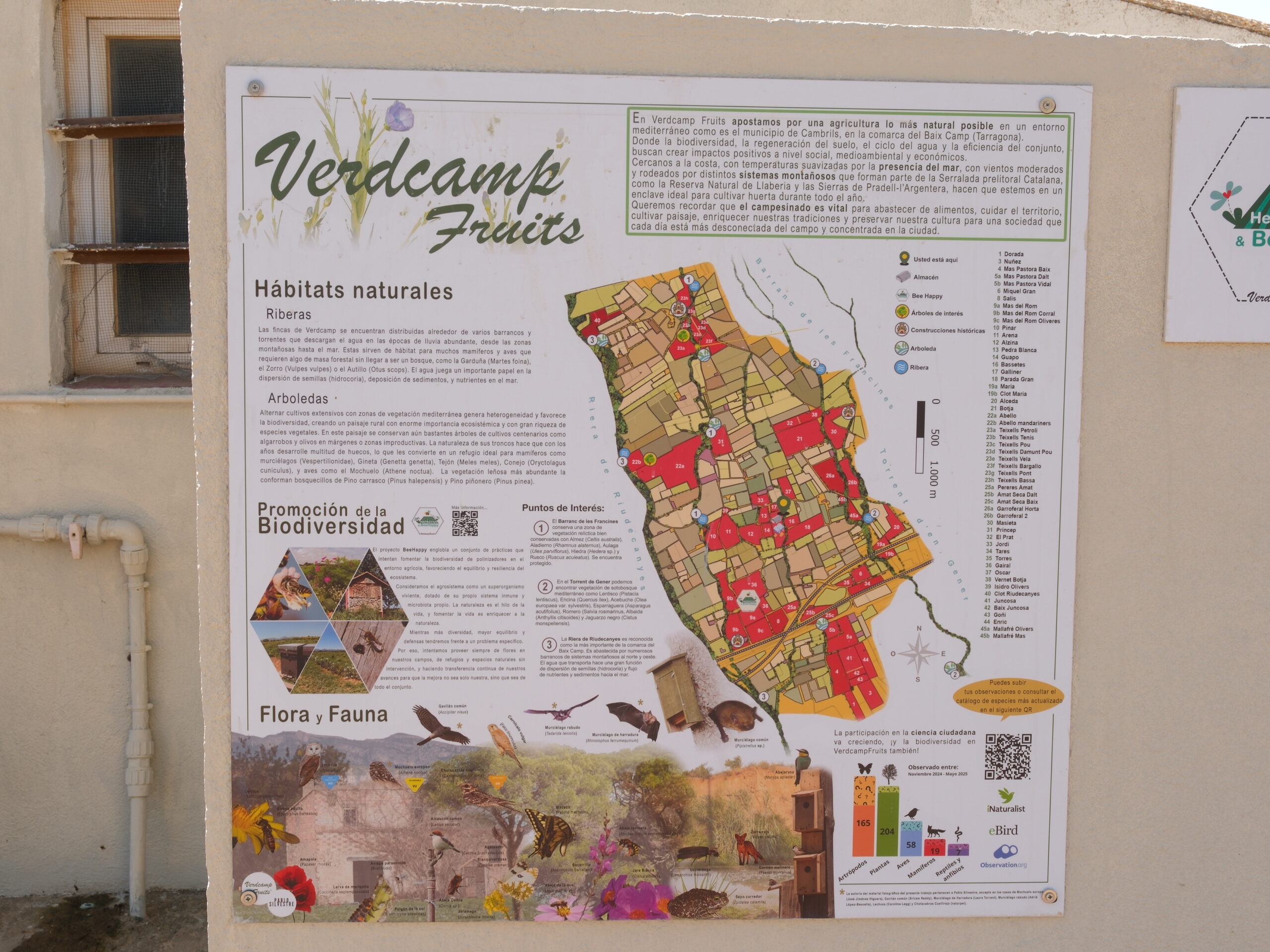
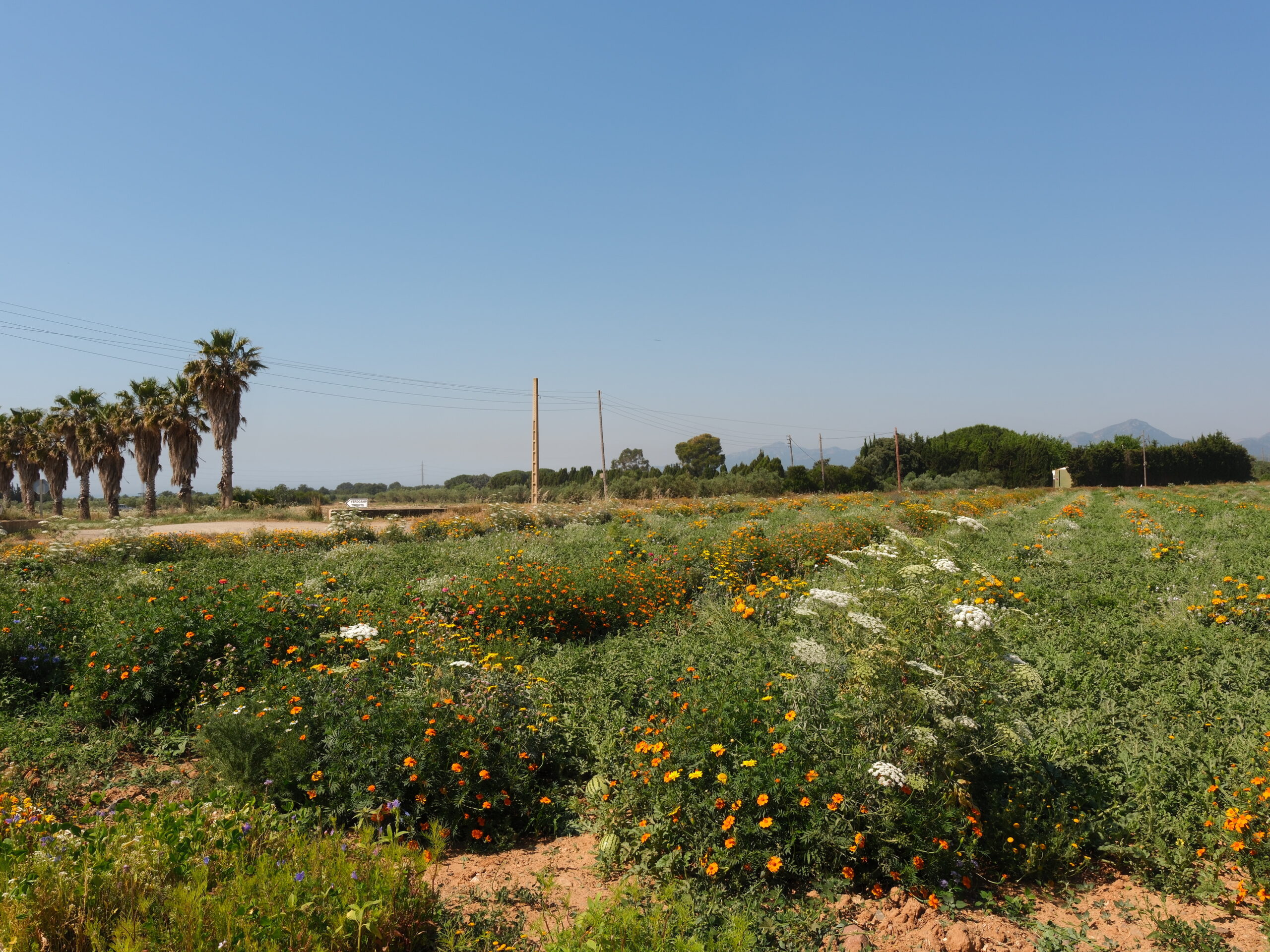
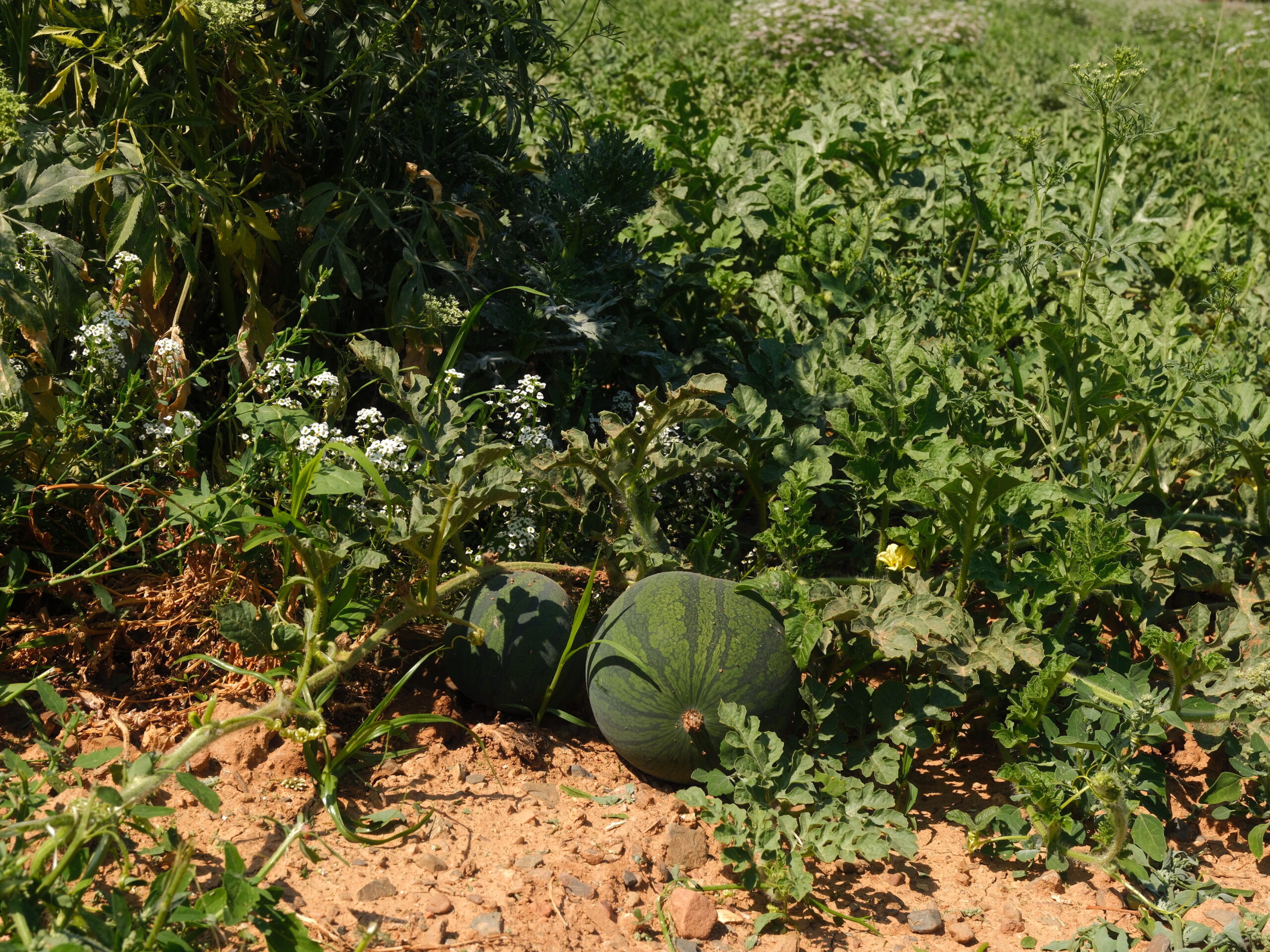
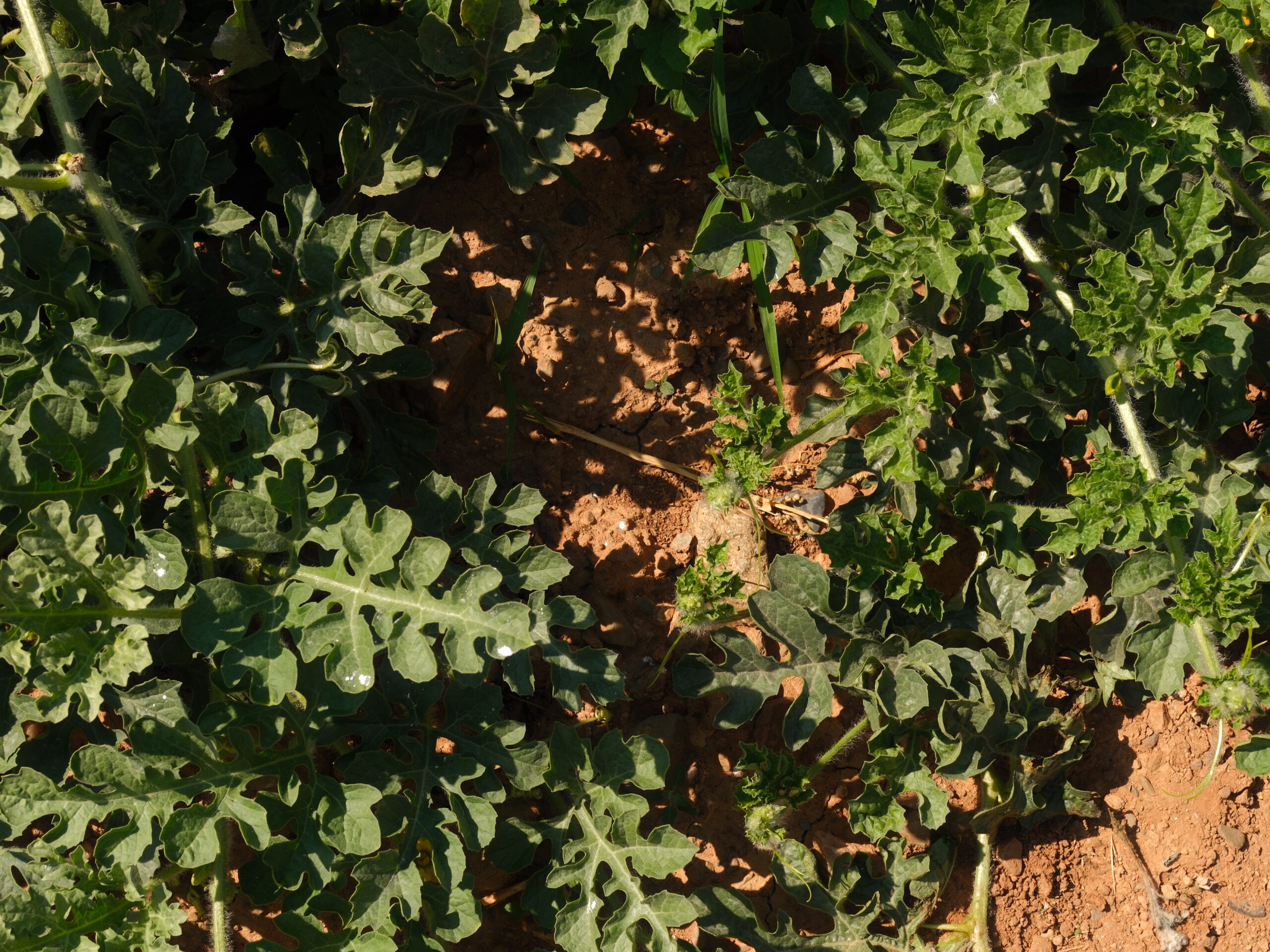
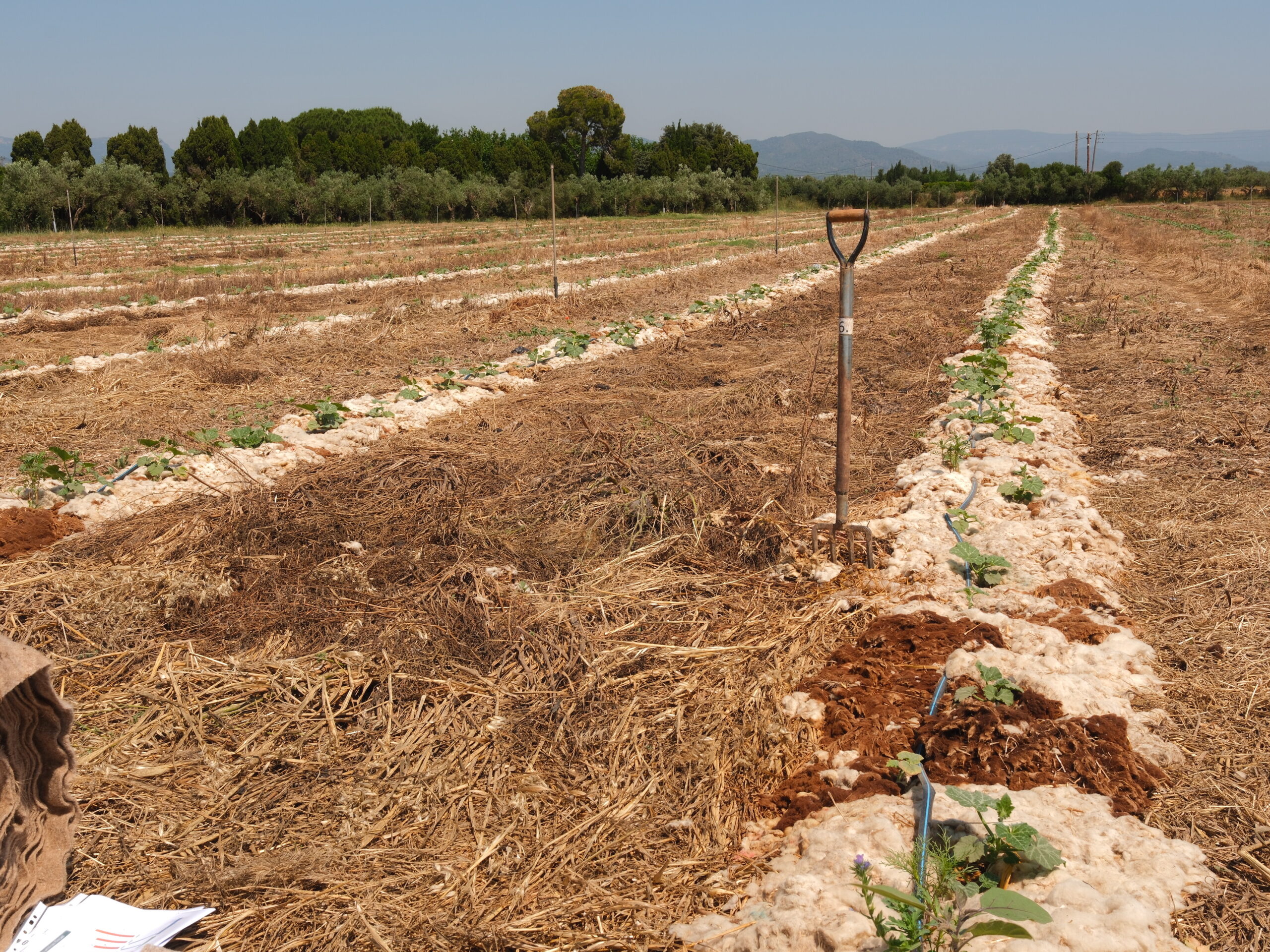
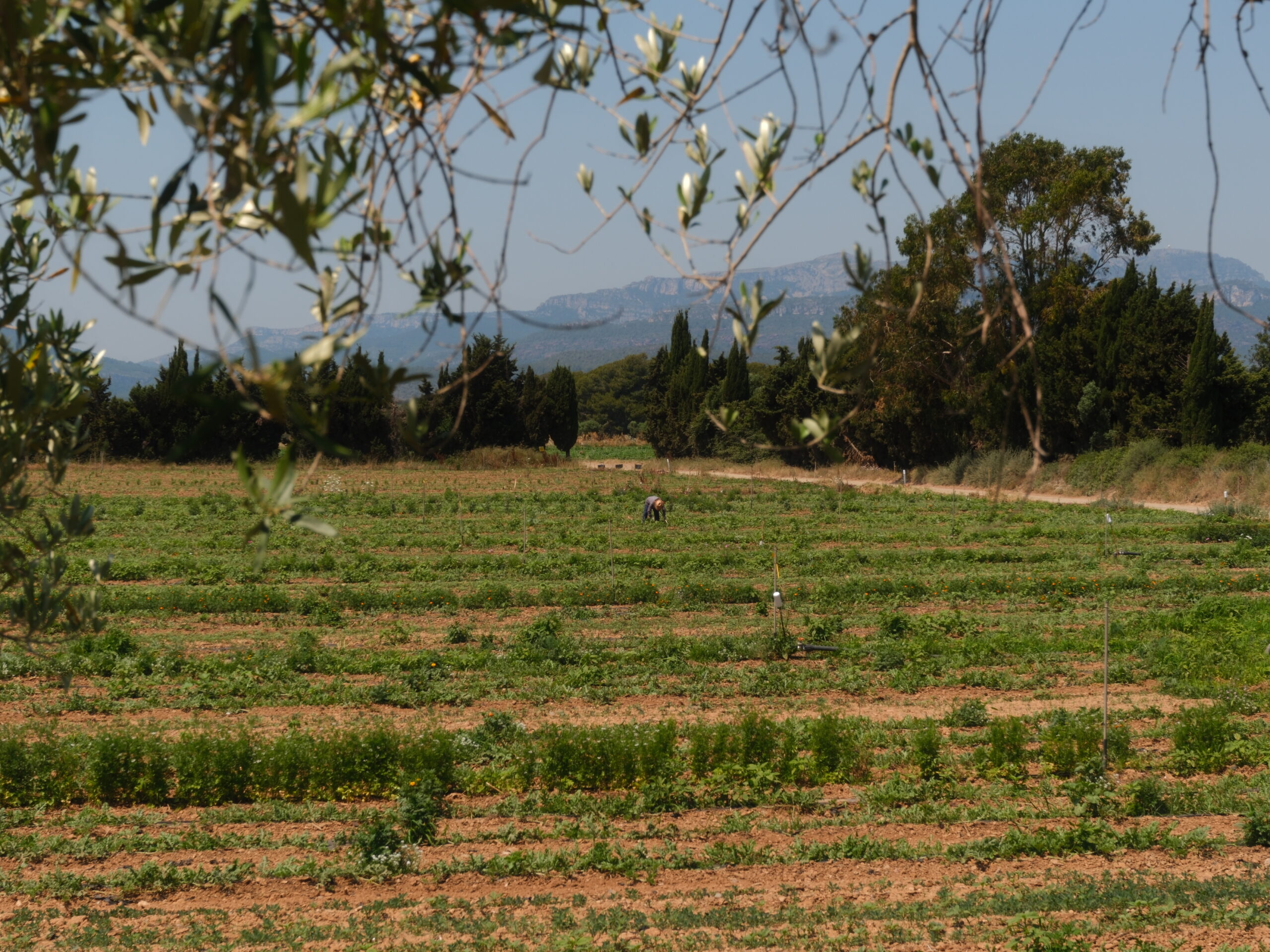
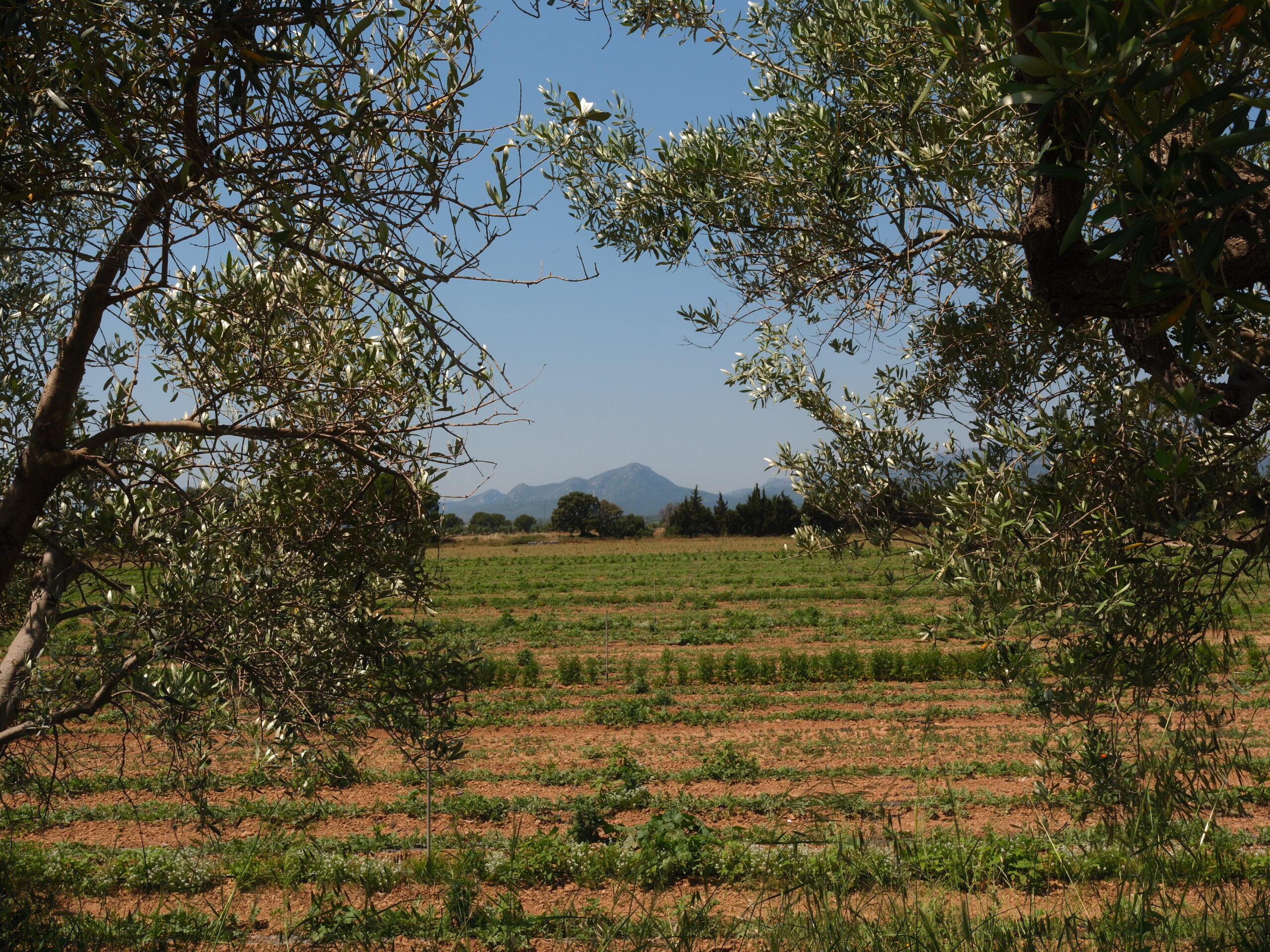
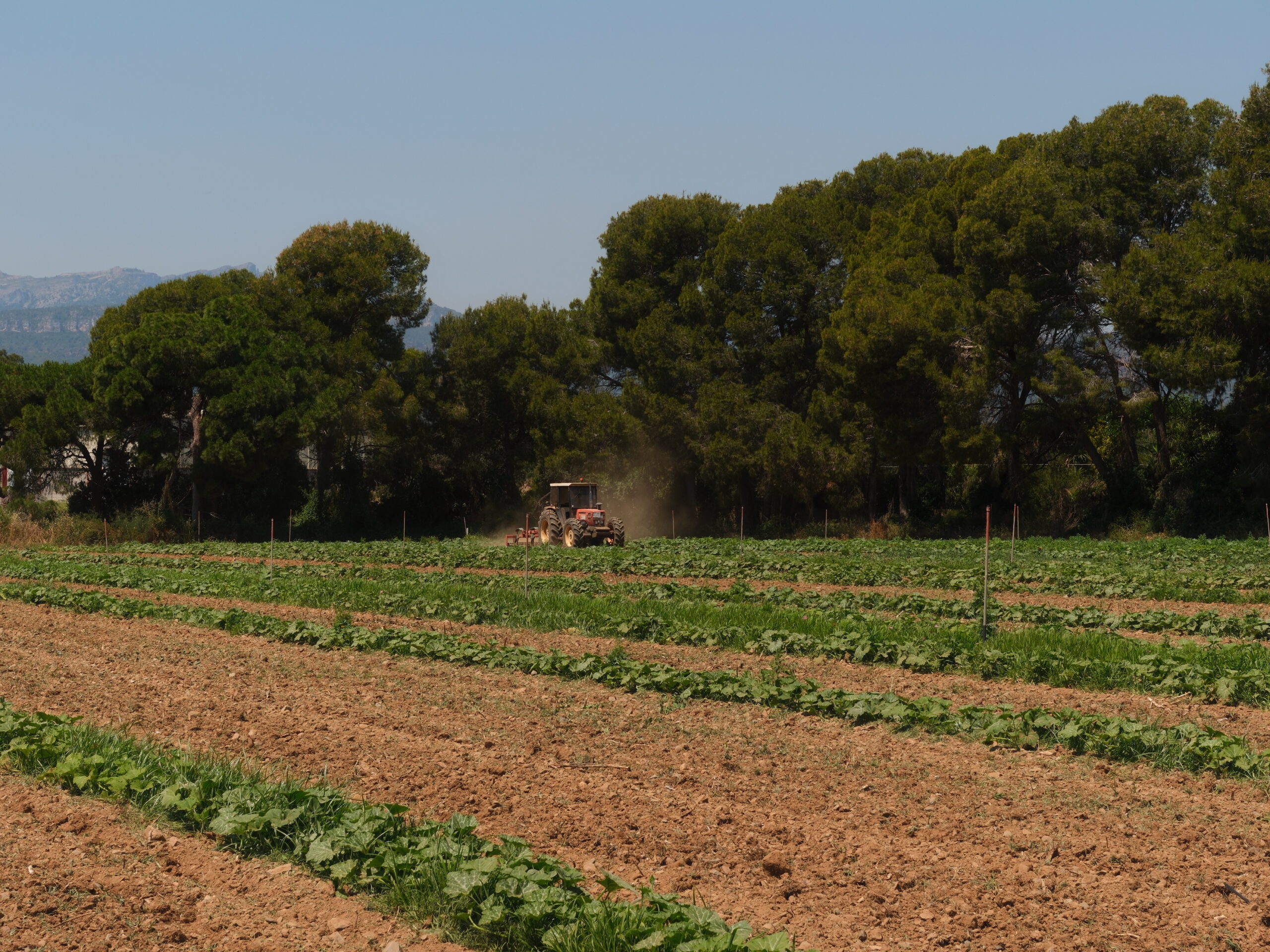
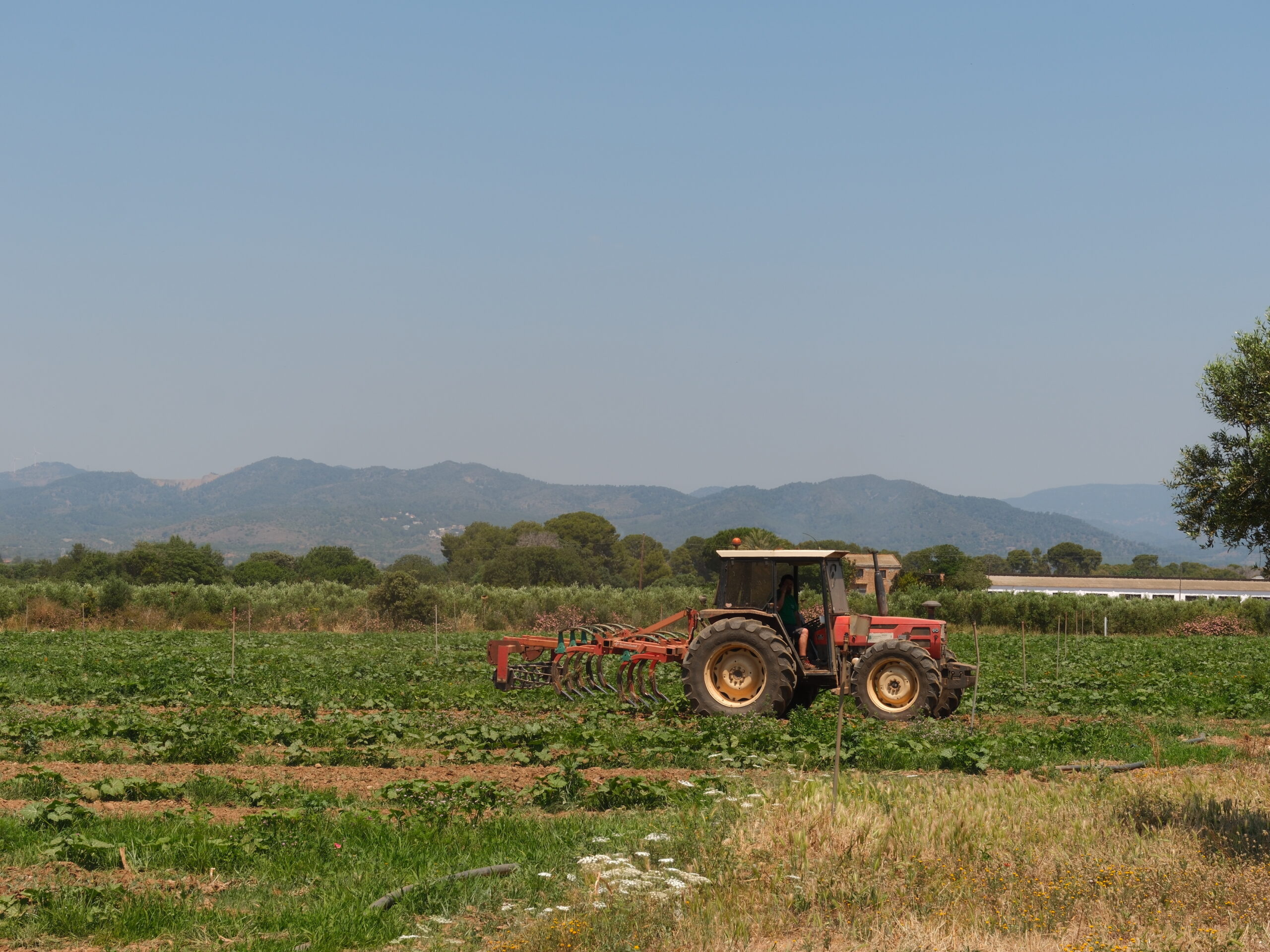
The second day of the conference featured a field visit to the Verdcamp Fruits pilot farm near Cambrils. This visit allowed participants to observe how project concepts are translated into concrete agricultural practices.
Examples of regenerative approaches included soil cover techniques, crop rotation, reduced tillage, and the integration of biodiversity-supporting elements such as flower strips and agroforestry systems. These practices demonstrate how sustainable land management can simultaneously enhance soil health, improve resilience and contribute to carbon sequestration.
Moving forward
The Carbon Farming MED Final Conference marked an important milestone for the project, consolidating its results and opening new perspectives for the future of Mediterranean agriculture.
The discussions clearly showed that while carbon farming holds significant potential, its large-scale deployment will depend on coordinated action, credible systems and continued support for farmers. By integrating environmental, economic and social dimensions, carbon farming can contribute to building a more sustainable and climate-resilient agricultural model across the Mediterranean region.
Read official conference press releases provided by Euroregion Pyrenees Mediterranean:
Day 1 – Conference
Carbon farming MED 2026 – Fotògraf Davit Payàs-023
Carbon farming MED 2026 – Fotògraf Davit Payàs-031
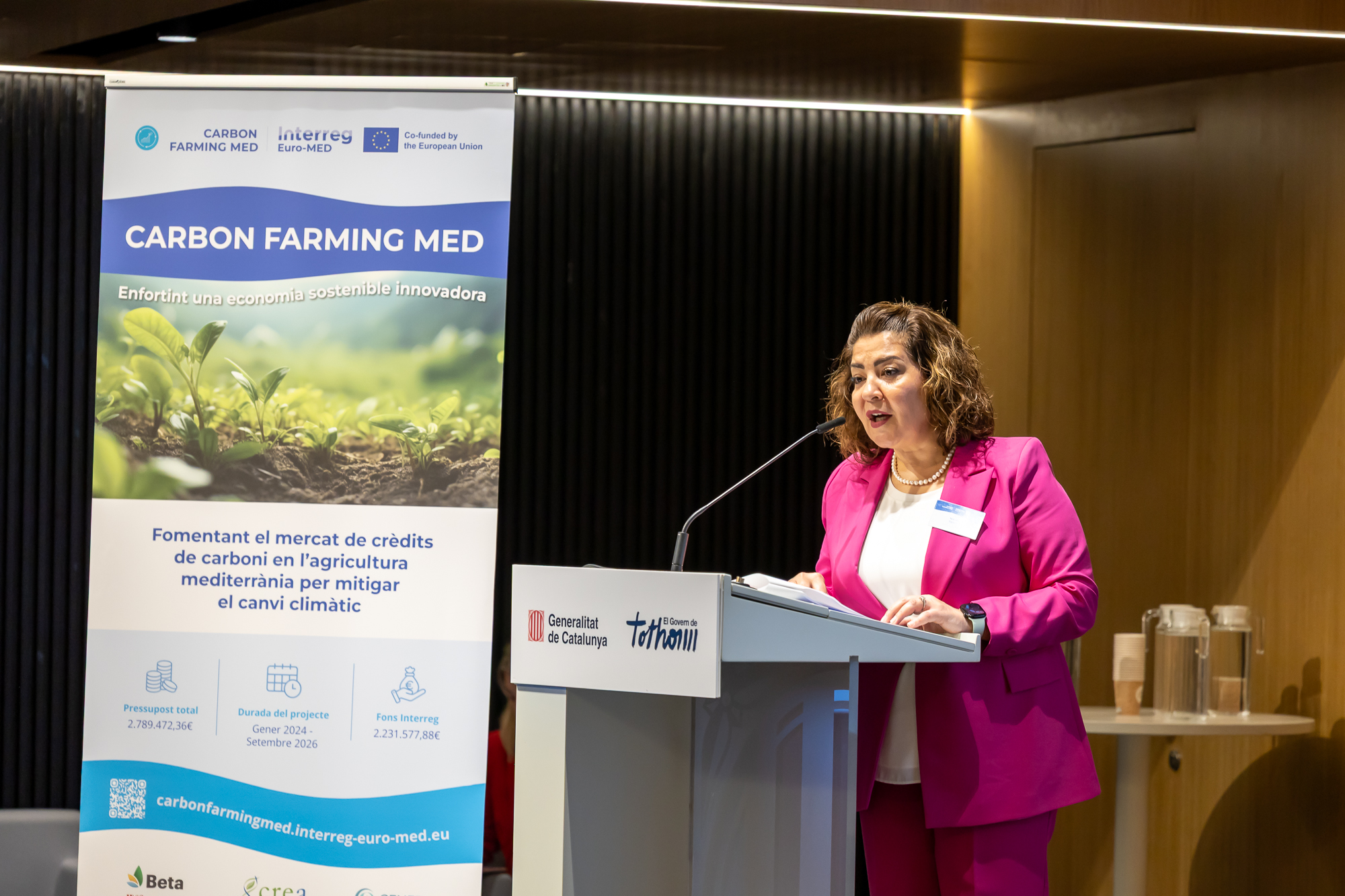
Carbon farming MED 2026 – Fotògraf Davit Payàs-043
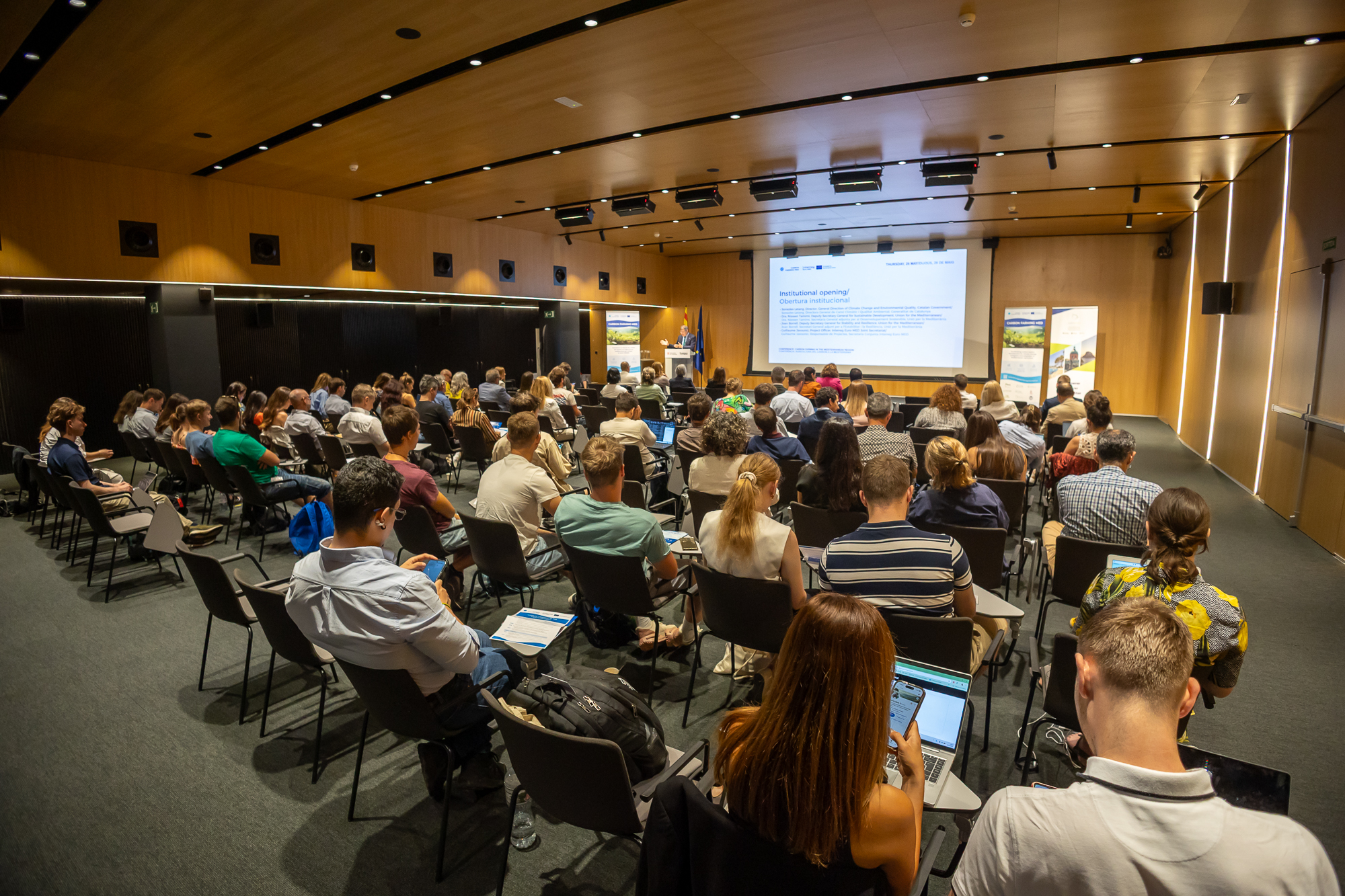
Carbon farming MED 2026 – Fotògraf Davit Payàs-045
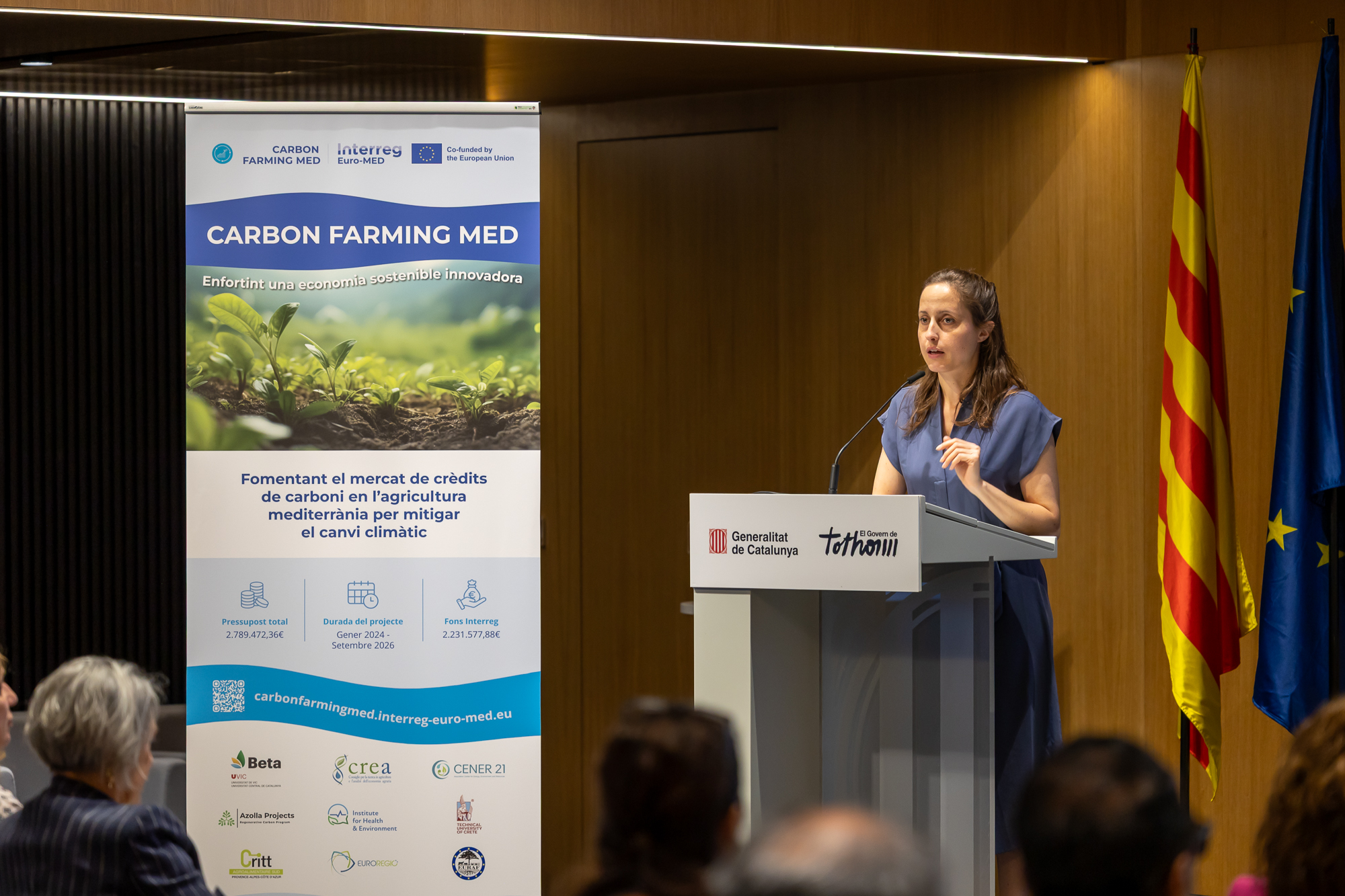
Carbon farming MED 2026 – Fotògraf Davit Payàs-067
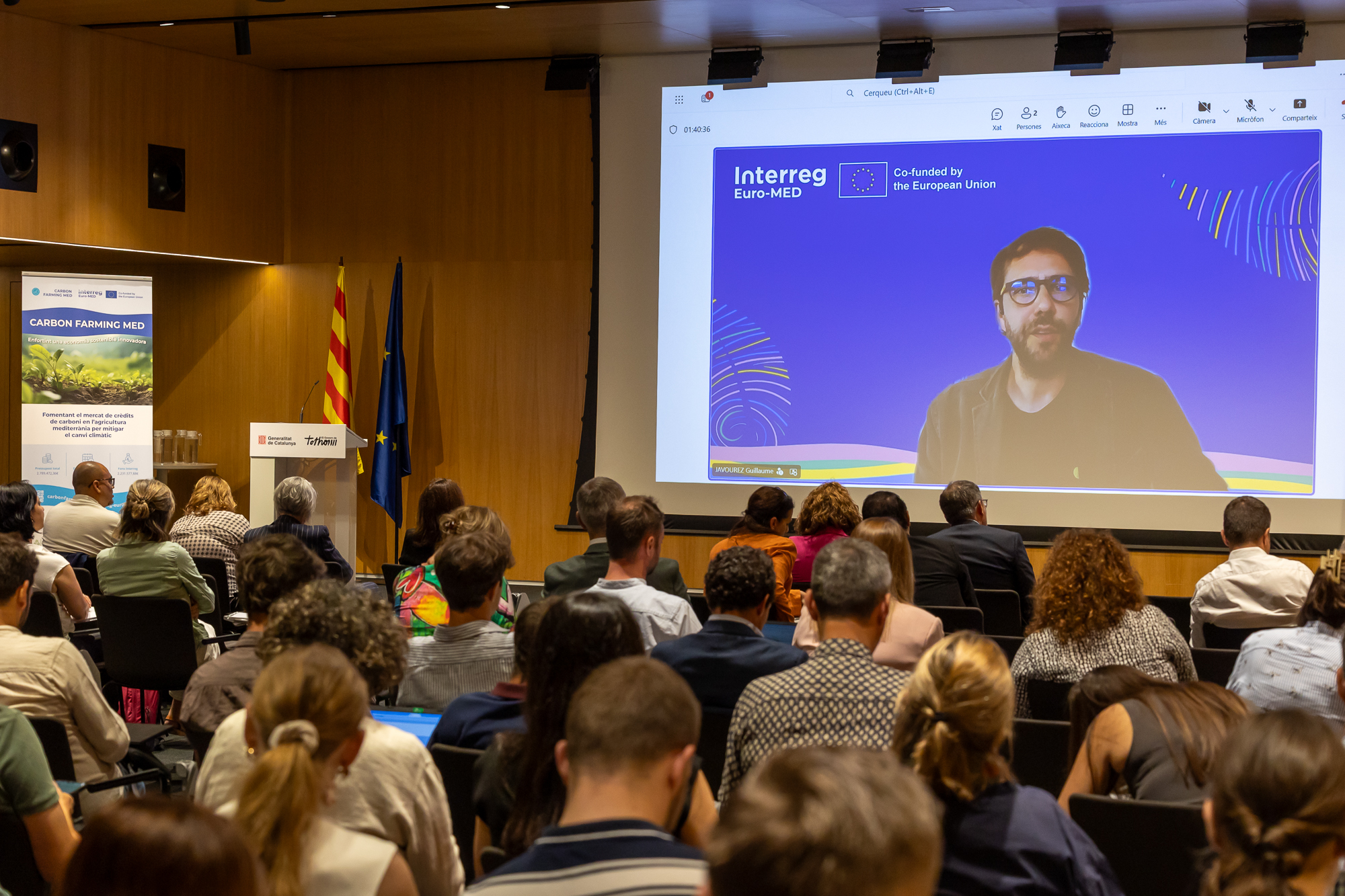
Carbon farming MED 2026 – Fotògraf Davit Payàs-058
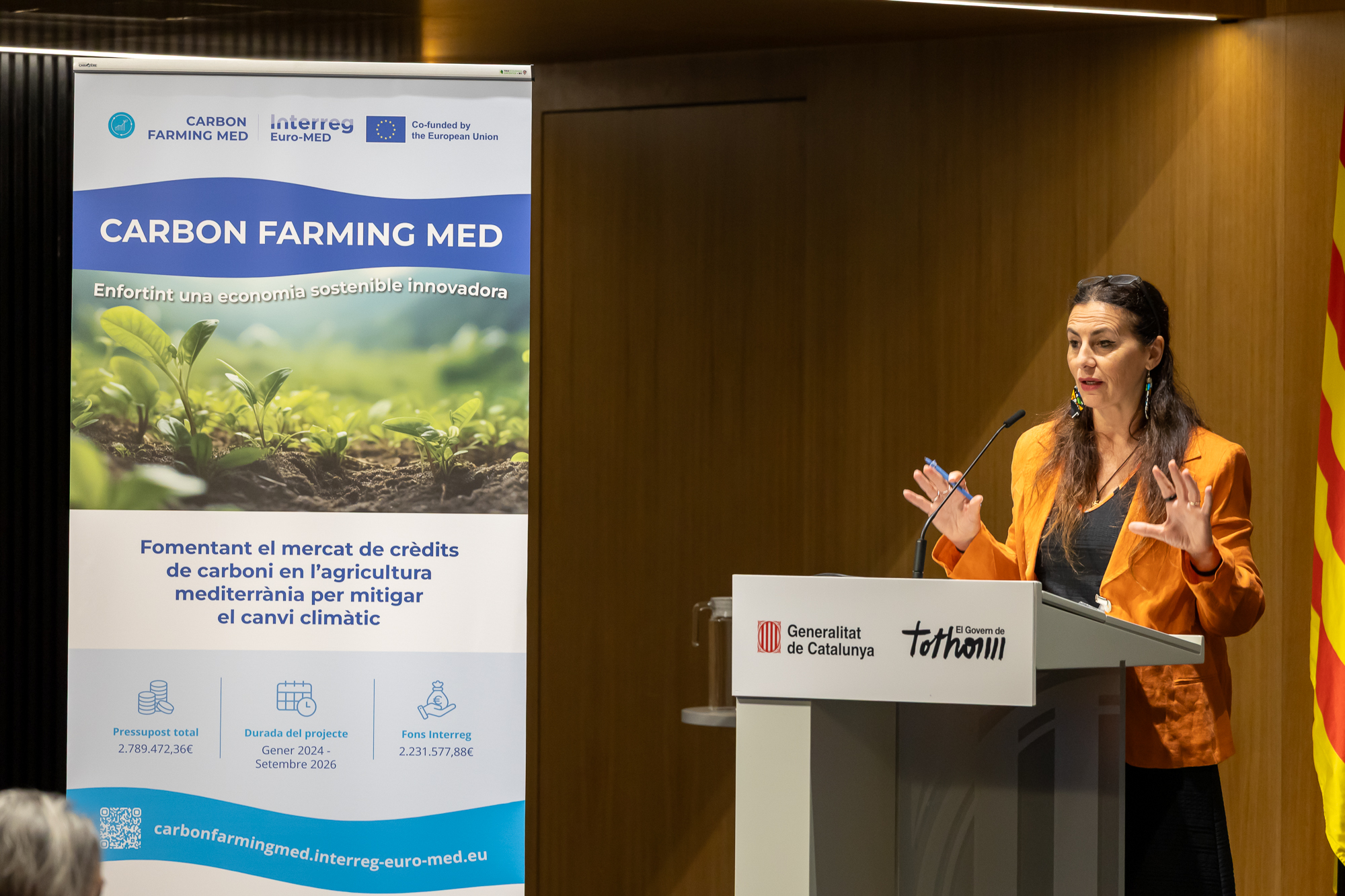
Carbon farming MED 2026 – Fotògraf Davit Payàs-085
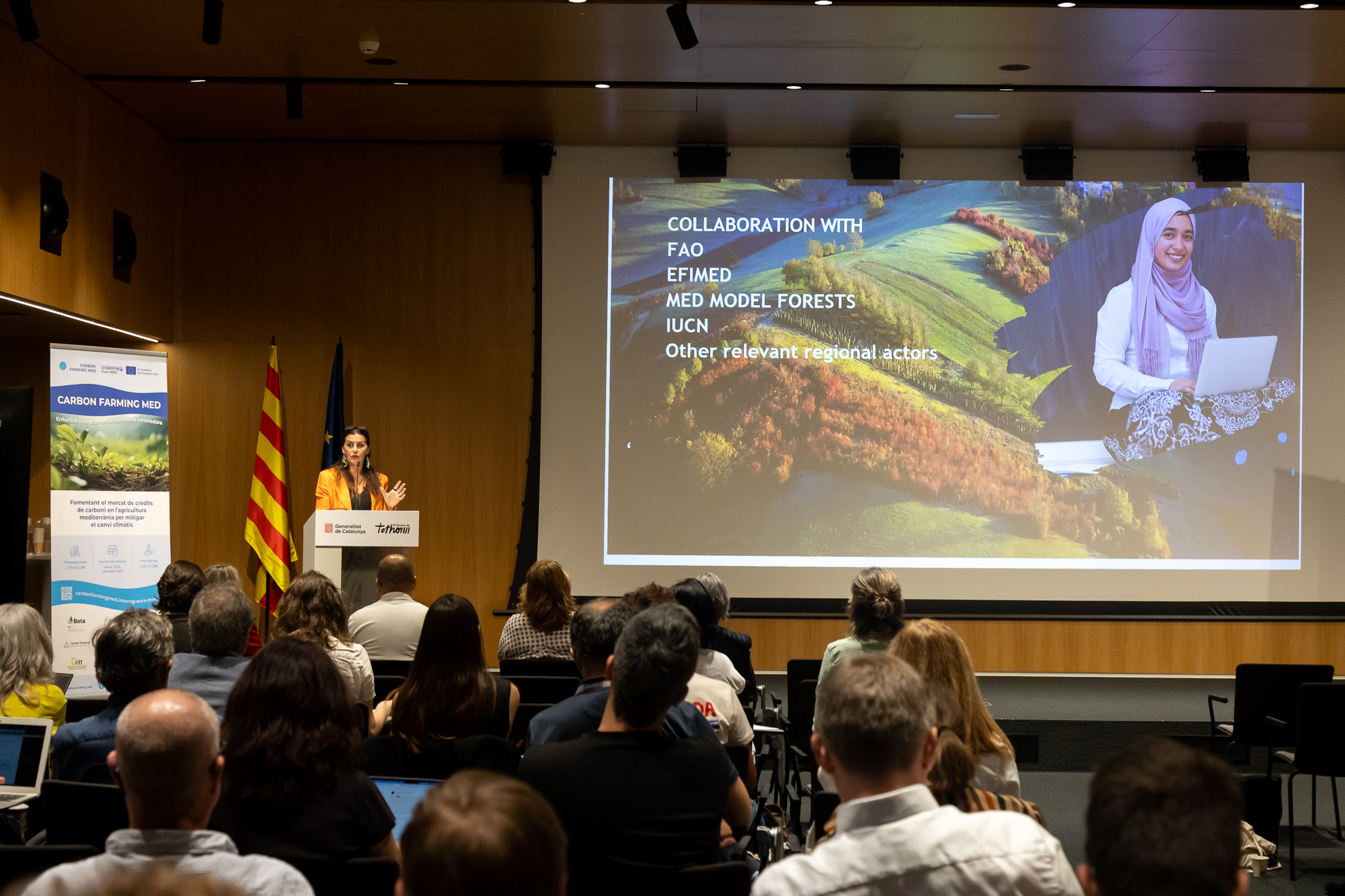
Carbon farming MED 2026 – Fotògraf Davit Payàs-094
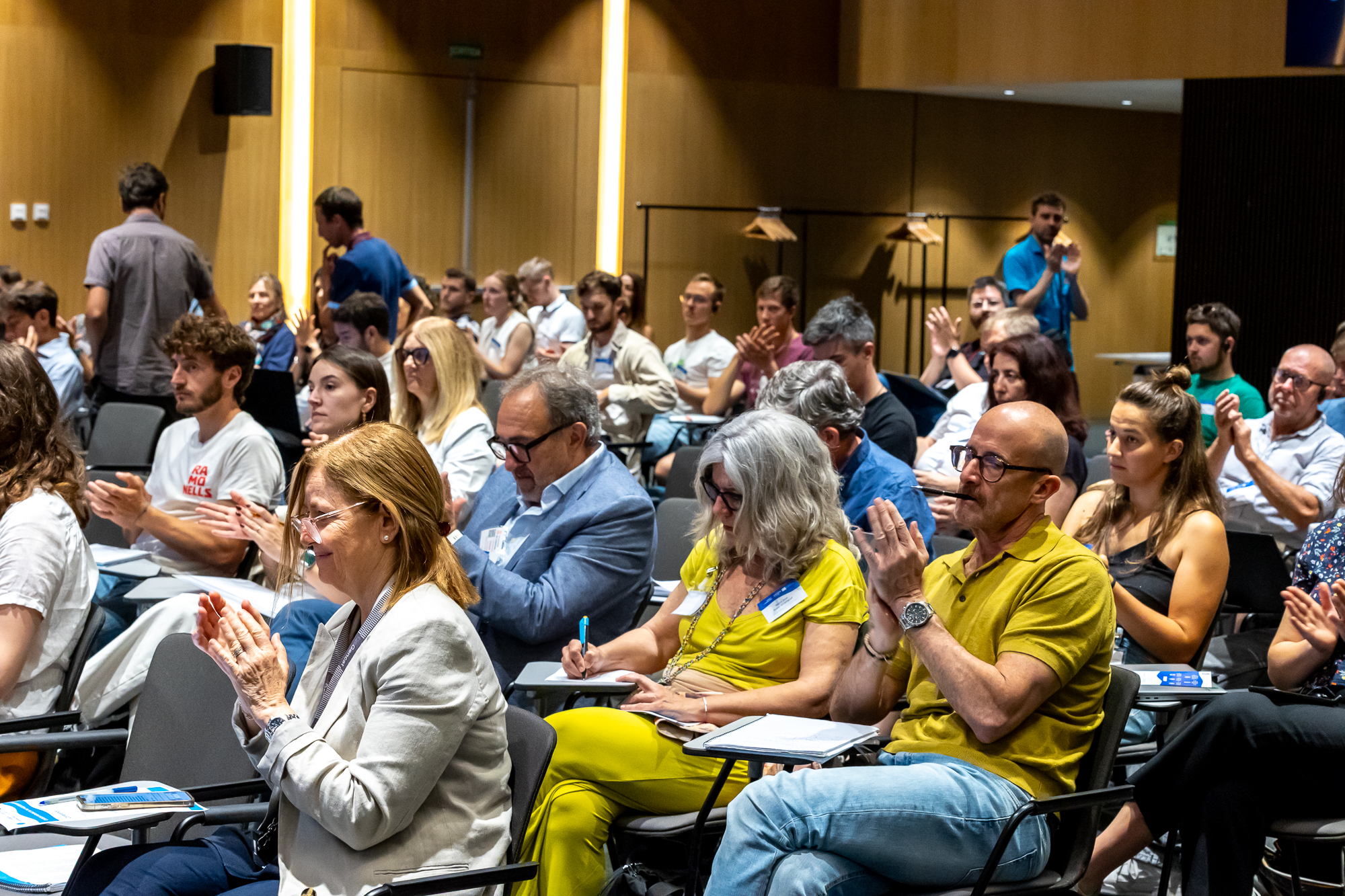
Carbon farming MED 2026 – Fotògraf Davit Payàs-037
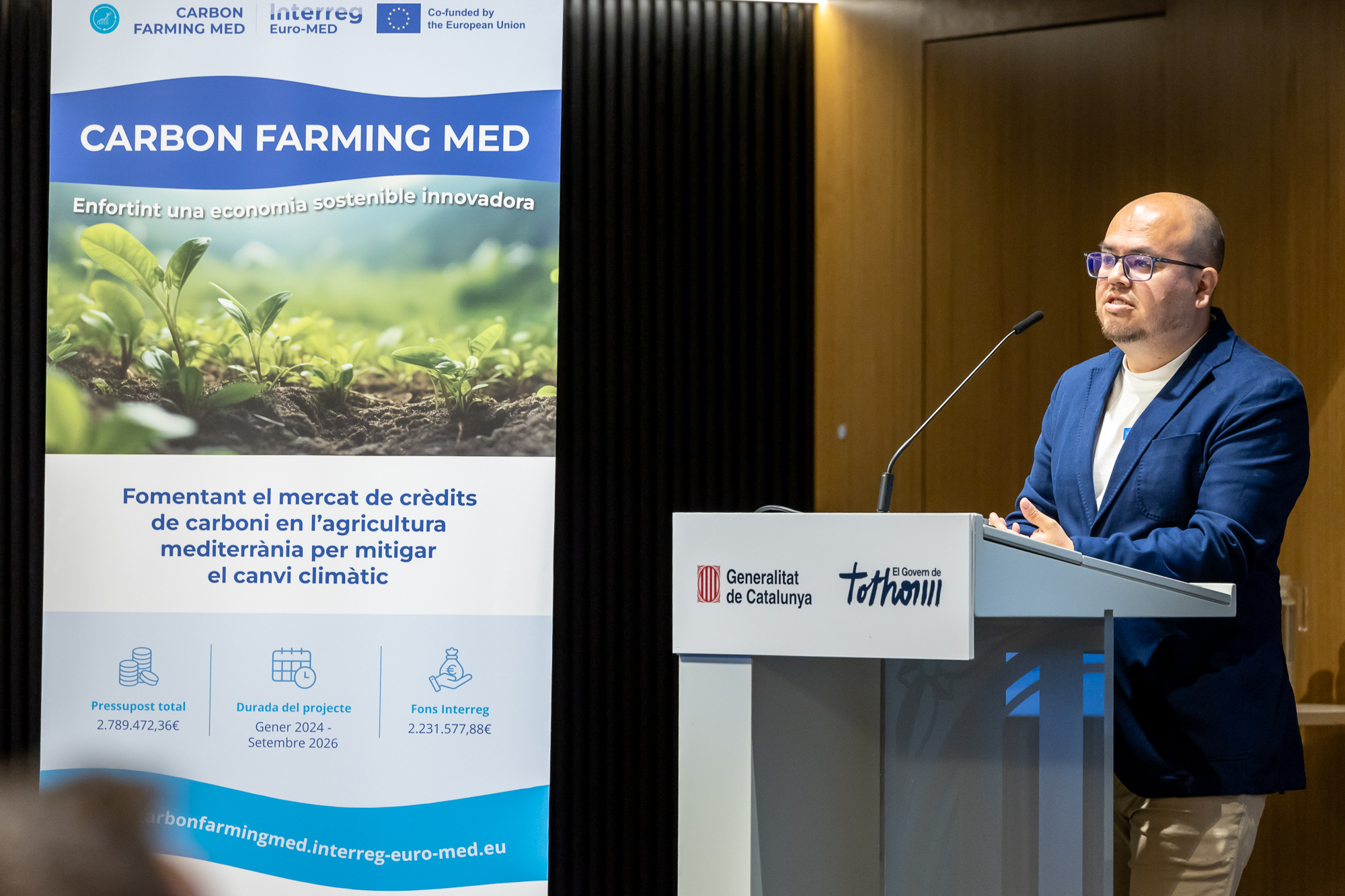
Carbon farming MED 2026 – Fotògraf Davit Payàs-100
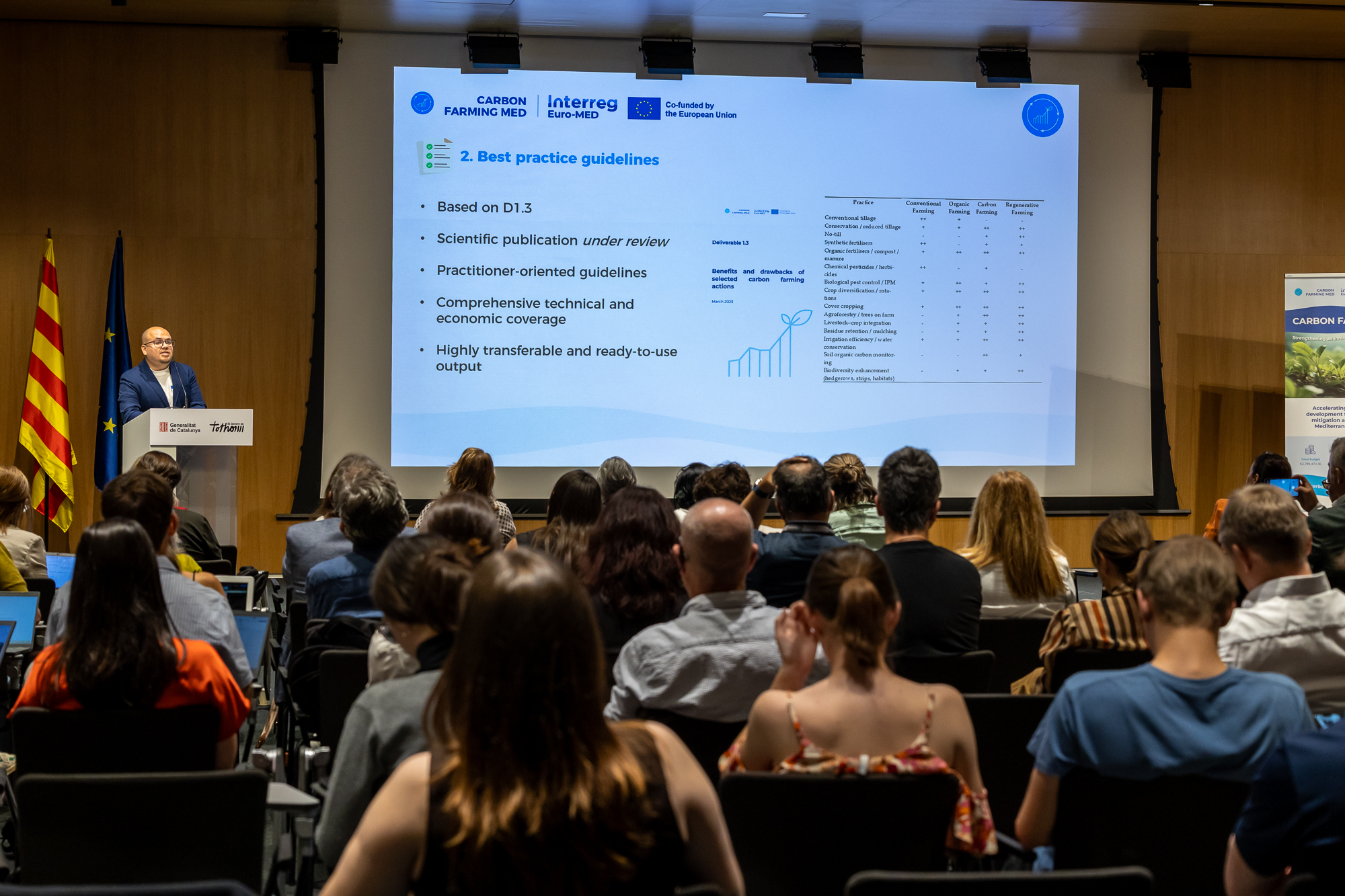
Carbon farming MED 2026 – Fotògraf Davit Payàs-106
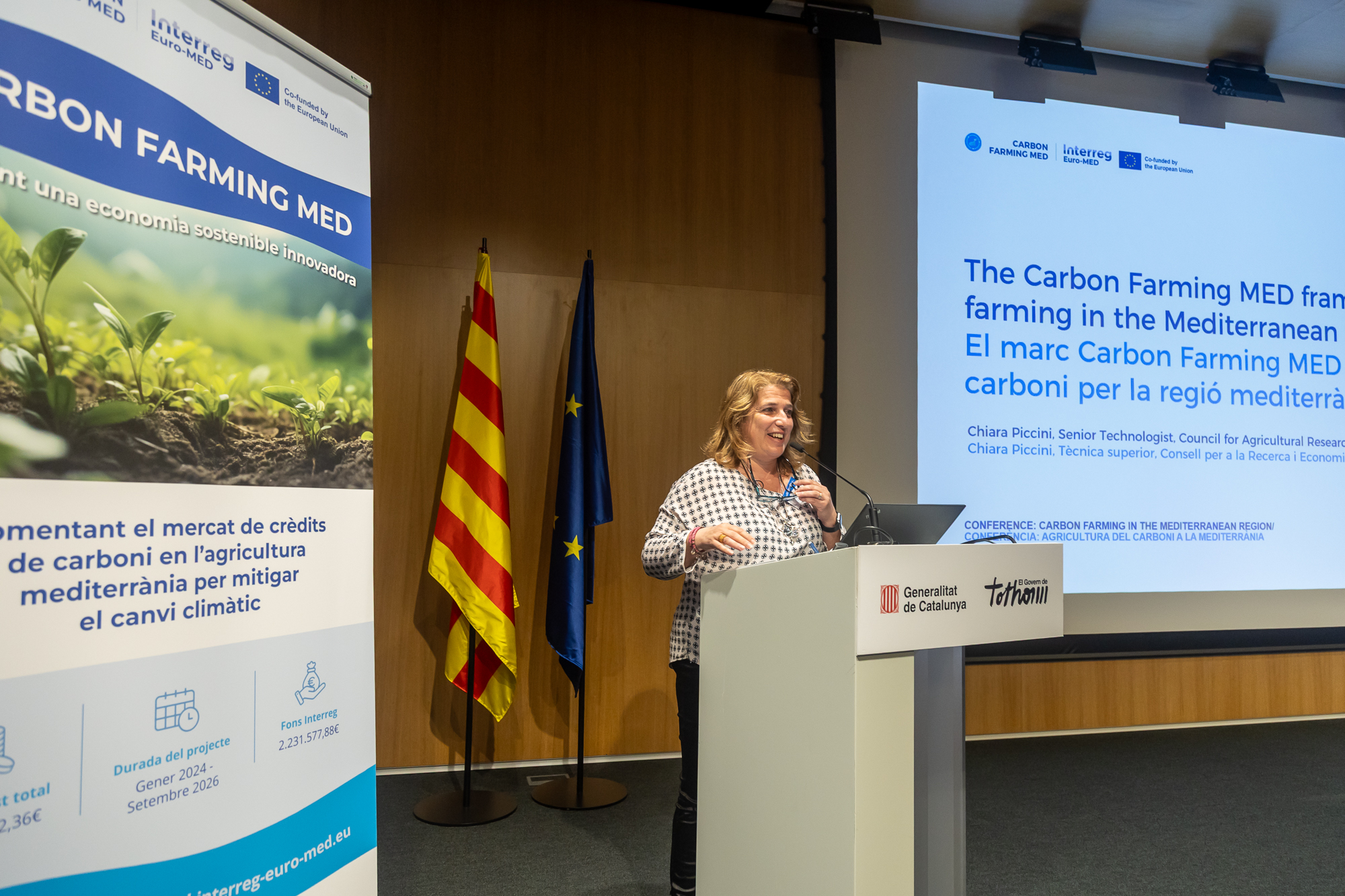
Carbon farming MED 2026 – Fotògraf Davit Payàs-109
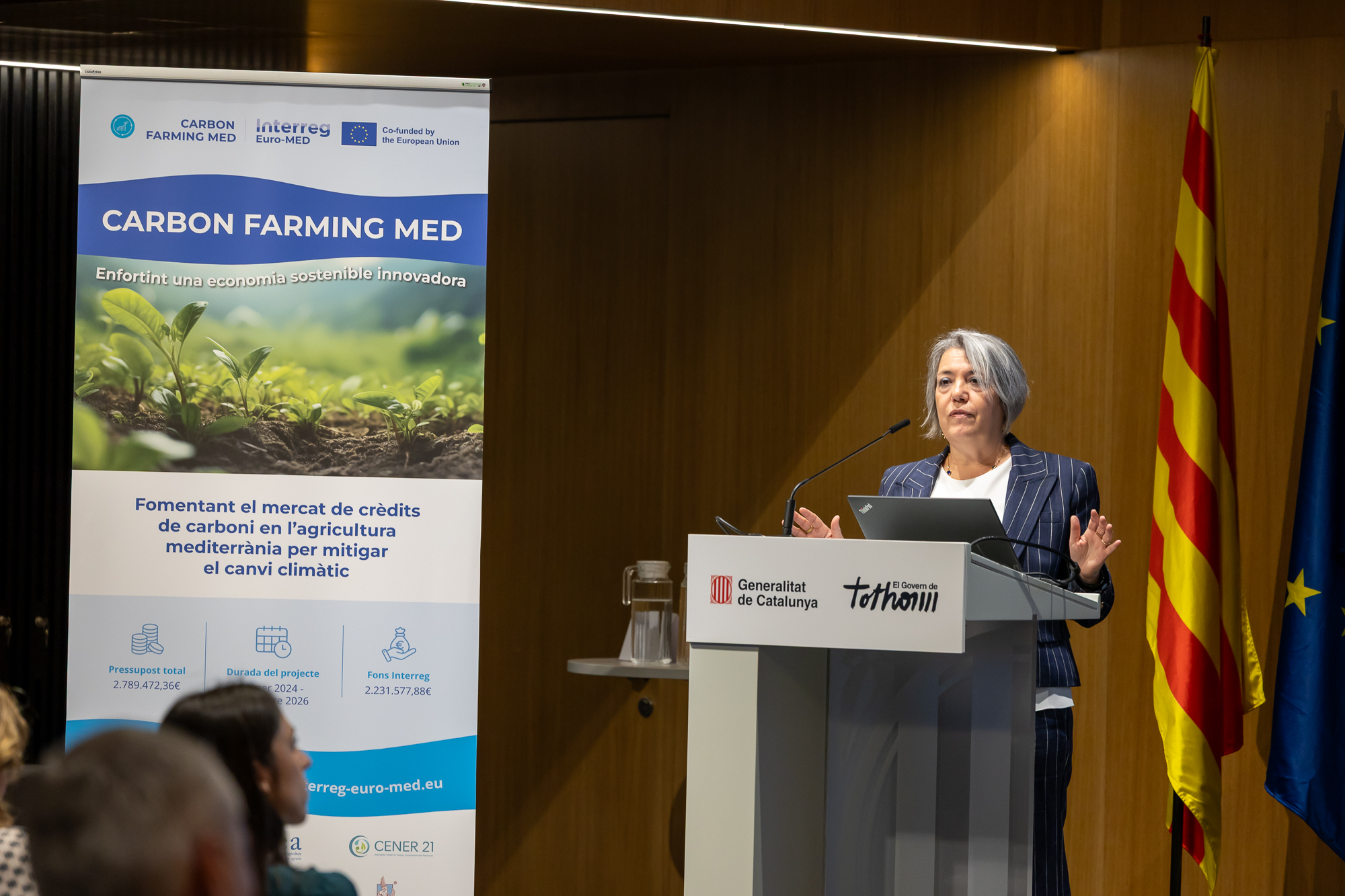
Carbon farming MED 2026 – Fotògraf Davit Payàs-118
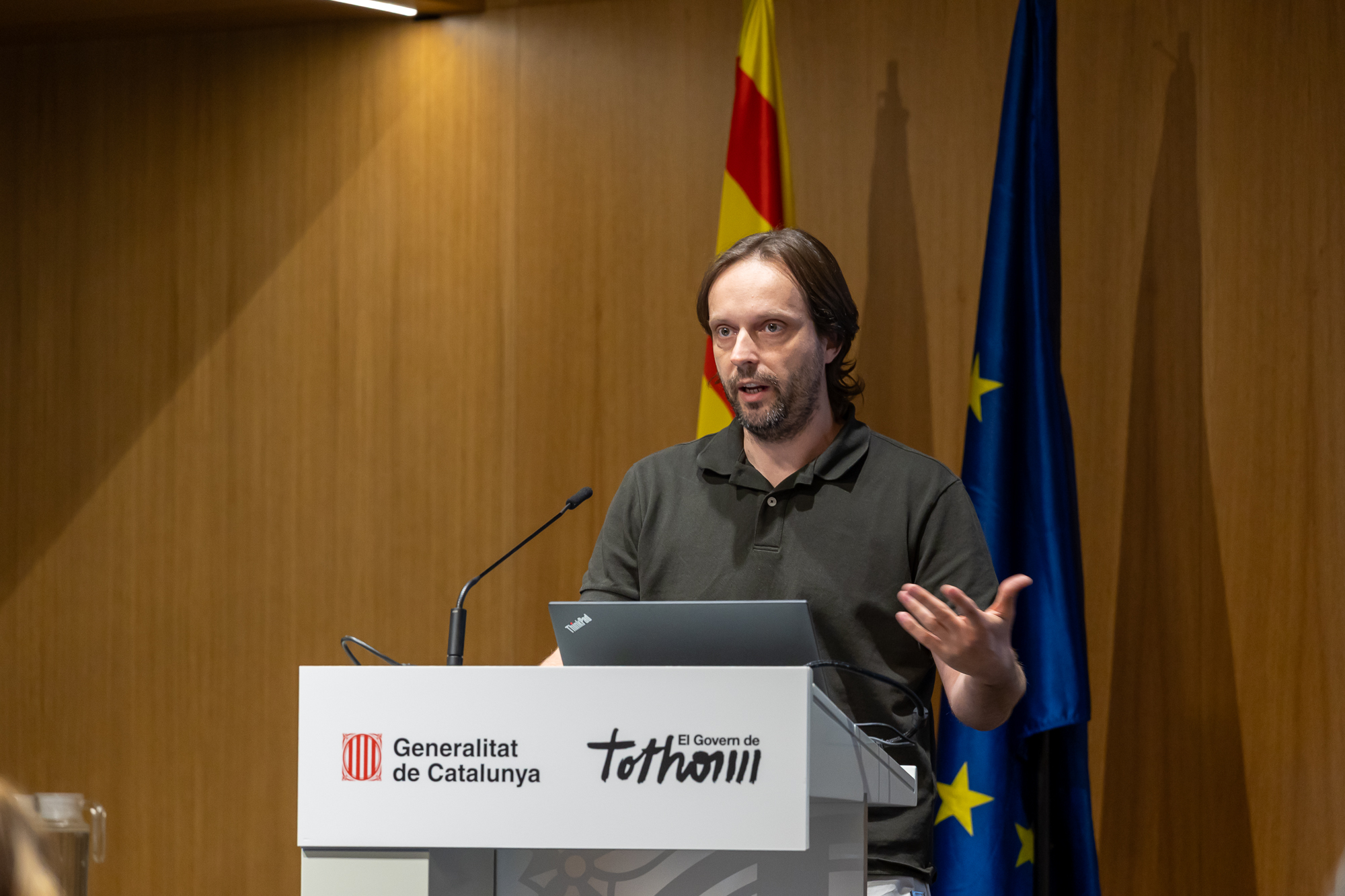
Carbon farming MED 2026 – Fotògraf Davit Payàs-126
Carbon farming MED 2026 – Fotògraf Davit Payàs-136
Carbon farming MED 2026 – Fotògraf Davit Payàs-169
Carbon farming MED 2026 – Fotògraf Davit Payàs-138
Carbon farming MED 2026 – Fotògraf Davit Payàs-147
Carbon farming MED 2026 – Fotògraf Davit Payàs-187
Carbon farming MED 2026 – Fotògraf Davit Payàs-188
Carbon farming MED 2026 – Fotògraf Davit Payàs-195
Carbon farming MED 2026 – Fotògraf Davit Payàs-202
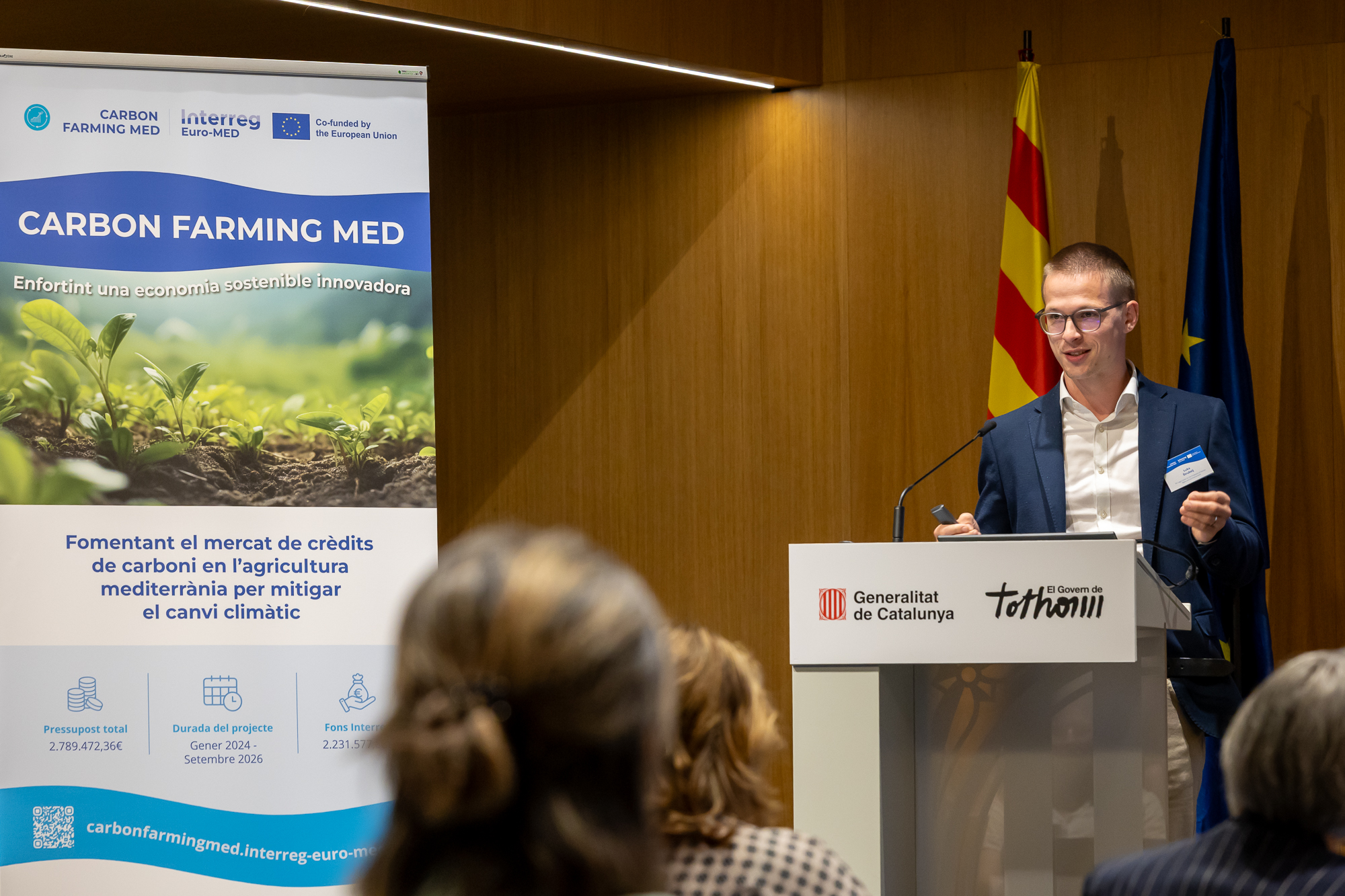
Carbon farming MED 2026 – Fotògraf Davit Payàs-214
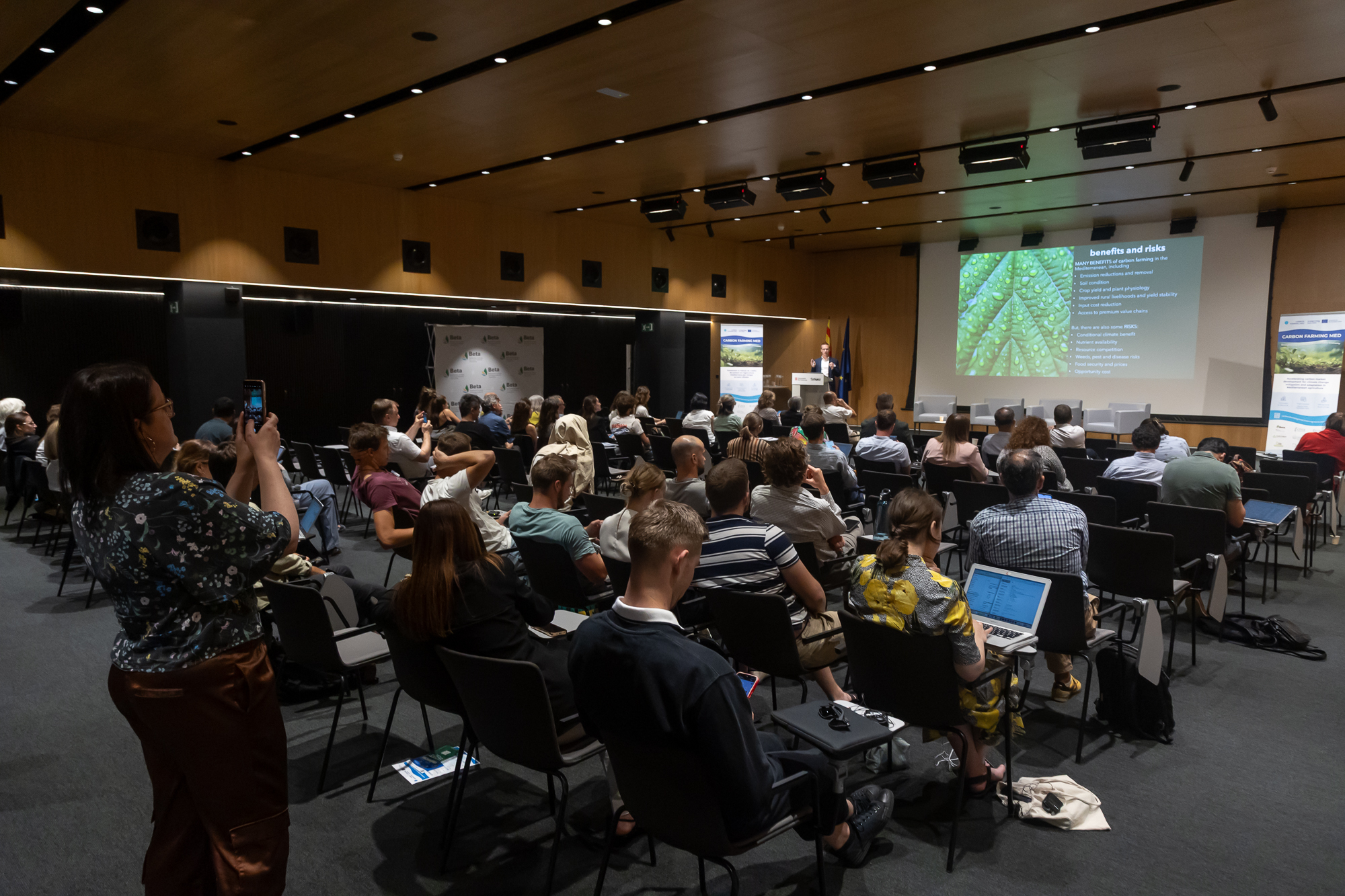
Carbon farming MED 2026 – Fotògraf Davit Payàs-219
Carbon farming MED 2026 – Fotògraf Davit Payàs-226
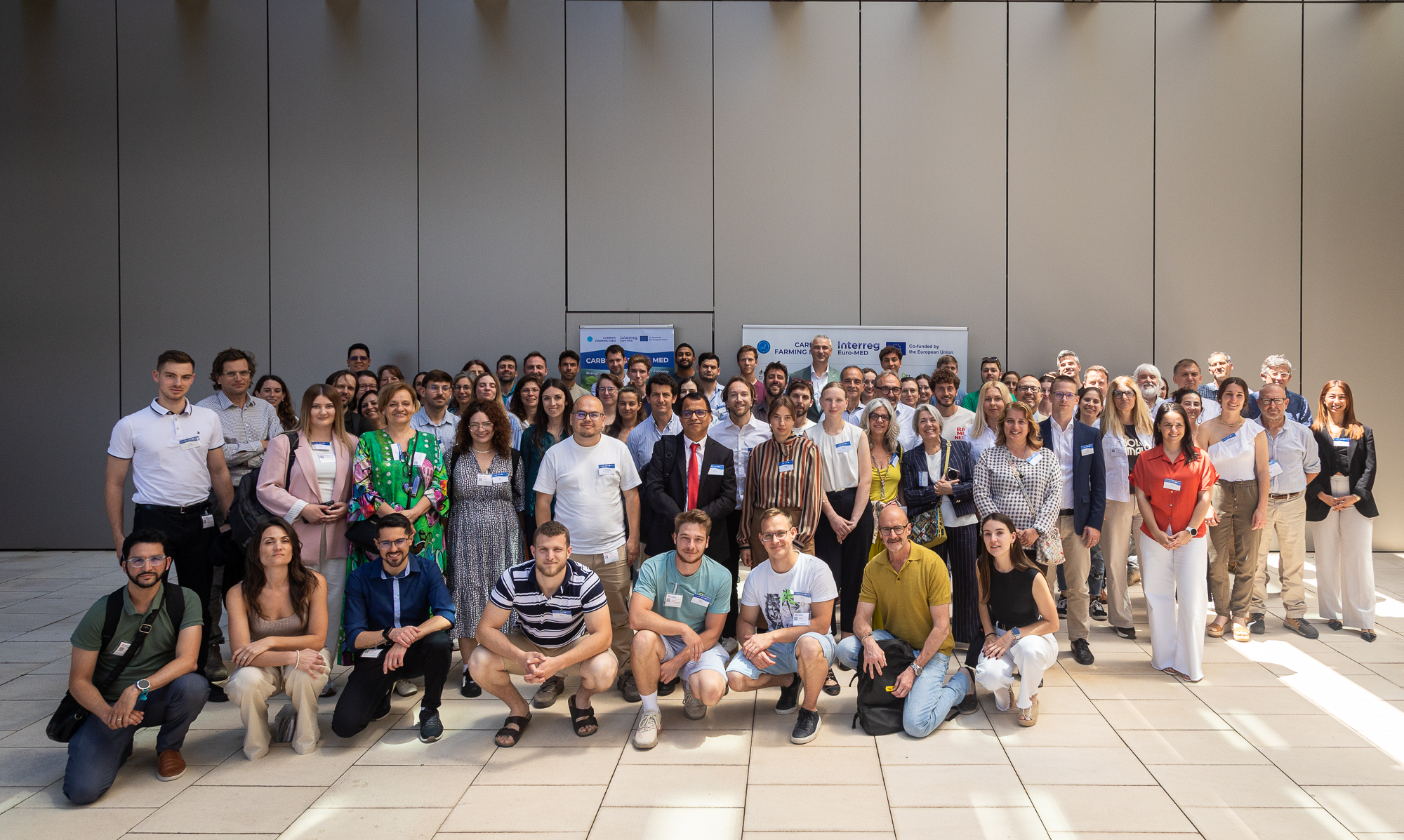
Carbon farming MED 2026 – Fotògraf Davit Payàs-224 (1)

Carbon farming MED 2026 – Fotògraf Davit Payàs-238

Carbon farming MED 2026 – Fotògraf Davit Payàs-228
Carbon farming MED 2026 – Fotògraf Davit Payàs-230

Carbon farming MED 2026 – Fotògraf Davit Payàs-232
Day 2 – Field trip
DSCF8941
DSCF8934
DSCF8957
DSCF8950
DSCF9004
DSCF8954

DSCF8967
DSCF8978
DSCF8962
DSCF9019
DSCF9026
DSCF9031
DSCF9035
DSCF9048
DSCF9070